

Last Updated: September 1, 2026
- Top Pick: Best Golf Glove for Left-Handed Men
- The Golf Glove Handedness Convention Explained Once and For All
- Golf Glove Comparison: What Left-Handed Men Golfers Should Look For
- Callaway Men’s Golf Glove: Why It Leads for Left-Handed Players
- Golf Glove Care: Making Your Glove Last as a Regular Golfer
- FAQ: Golf Gloves for Left-Handed Men
- Related Guides
- Frequently Asked Questions
- Related Articles
As an Amazon Associate, Label Our Lefty earns from qualifying purchases. This article contains affiliate links — if you buy through them we may earn a small commission at no extra cost to you. We only recommend products we believe in.

Best Left-Handed Golf Glove for Men 2026: The Right-Hand Glove Every Southpaw Golfer Needs
Quick Answer / TL;DR
Left-handed golfers wear a glove on their right hand — the trailing hand in a lefty golf swing. This confuses a lot of southpaw golfers shopping online because they’re searching for “left-handed golf glove” but need to buy a glove labeled “right hand.” The Callaway Golf Men’s Right Hand Golf Glove (ASIN B082L39ZXW) is the top pick: premium Cabretta leather palm, secure velcro closure, and consistent sizing. If you’re a left-handed golfer, add a right-hand glove to your cart. Best pick: ASIN B082L39ZXW.
As an Amazon Associate we earn from qualifying purchases at no extra cost to you.

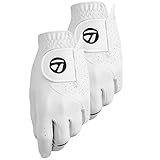

Golf glove shopping as a left-handed golfer is genuinely confusing the first time. You search “left-handed golf glove,” find products labeled “right hand,” wonder if you’re looking at the wrong thing, go back and search again — and arrive at the same result. The confusion is real, the convention is counterintuitive, and almost nobody explains it clearly upfront. This guide solves it definitively and then covers which specific gloves perform best for left-handed men golfers in 2026.
🛒 Best Price Today on Amazon
Prime members get fast, free shipping on everything above, plus member-only deals. New members get a 30-day free trial — cancel anytime.
Top Pick: Best Golf Glove for Left-Handed Men
BEST OVERALL FOR LH GOLFERS
Callaway Golf Men’s Right Hand Glove
Worn on the right hand by left-handed golfers. Premium Cabretta leather palm, secure fit, excellent grip retention. The benchmark men’s golf glove for southpaw players at any level.
BEST VALUE MULTI-PACK
FootJoy Men’s WeatherSof Right Hand Glove
Two-glove value pack, worn on the right hand by lefties. All-weather synthetic leather, reliable fit, the most popular golf glove brand in the US. Smart buy for golfers who play multiple rounds per week.
COMPLETE LH GOLF SETUP
Left-Handed Golf Clubs Set
Pair your glove with proper LH clubs for a complete southpaw golf setup. Our full guide covers the best left-handed club sets for every handicap level.
The Golf Glove Handedness Convention Explained Once and For All
Golf gloves are labeled by the hand they go on, not by which hand swings the club. In a golf swing, the glove goes on the lead hand — the hand closest to the target at address, which takes the most grip pressure and friction during the swing. For right-handed golfers, the lead hand is the left hand, so they wear a left-hand glove. For left-handed golfers, the lead hand is the right hand, so they wear a right-hand glove.
When you search “golf glove for left-handed golfers” and see results labeled “right hand” — those are correct. Buy the right-hand glove. You wear it on your right hand. Your right hand is your lead hand as a lefty. The glove label refers to which hand wears it, not which hand dominates your life. If a product is labeled “left hand,” that glove goes on the left hand and is intended for right-handed golfers. Do not buy that one.
This convention trips up virtually every new left-handed golfer at least once. You are not alone in finding it confusing, and you are not making a silly mistake by needing it explained. The industry simply never bothered to label things from the southpaw’s perspective.
Why Only One Glove?
Most golfers wear only one glove, on the lead hand, for a specific reason: the lead hand experiences the most rotational friction against the grip during the swing, while the trailing hand (for lefties, the left hand) is more of a guide and pressure anchor. The friction and heat buildup is concentrated in the lead hand. A glove on the lead hand prevents blisters, improves grip security in humid or sweaty conditions, and provides a consistent tactile interface with the club. Wearing two gloves is unusual — it reduces feel in the trailing hand and is typically only done in very cold conditions or by players with specific grip pressure issues.
Golf Glove Comparison: What Left-Handed Men Golfers Should Look For
| Feature | Why It Matters | Callaway (top pick) | FootJoy WeatherSof | Budget Synthetic |
|---|---|---|---|---|
| Palm material | Cabretta leather grips better, lasts longer than full synthetic | Cabretta leather palm | Synthetic leather | Full synthetic |
| Fit at closure | Secure velcro prevents slipping during swing | Velcro with fit guide | Velcro ball marker | Basic velcro |
| Breathability | Vented back reduces sweat buildup in warm conditions | Perforated back | Perforated back | Varies |
| Sizing consistency | Consistent fit across sizes reduces returns/exchanges | Excellent | Excellent | Variable |
| Durability | Cabretta wears faster but grips better; synthetic lasts longer | Medium (leather wear) | High (synthetic) | Low to medium |
Callaway Men’s Golf Glove: Why It Leads for Left-Handed Players
Callaway is one of the most recognized names in golf equipment, and their glove line reflects the same engineering attention they apply to clubs and balls. The Men’s Golf Glove uses a Cabretta leather palm — the premium soft leather standard in high-performance golf gloves. Cabretta conforms to hand shape over time, provides excellent tactile feedback through the grip, and delivers a secure non-slip surface even as hands warm up during a round.
The perforated back panel addresses the primary durability concern with Cabretta leather gloves: heat and moisture buildup. Leather degrades faster when it stays wet, and golf is an outdoor sport in warm weather. The perforation pattern allows airflow across the back of the hand, keeping the glove surface drier and extending lifespan compared to solid-back leather gloves.
Sizing is consistent across the Callaway glove line — men’s sizes from Small through XXL, with a Cadet sizing option for golfers with shorter, wider fingers. Getting glove fit right is important: a glove too tight restricts swing motion and causes premature wear at stress points; a glove too loose slips during the swing and reduces grip security. Callaway’s sizing guide is reliable, and the velcro closure allows fine-tuning at the wrist for a secure fit without constriction.
Golf Glove Care: Making Your Glove Last as a Regular Golfer
Golf gloves — especially Cabretta leather ones — wear out faster than most golfers expect. A glove used for 18 holes two to three times per week typically lasts four to eight weeks depending on grip pressure and weather conditions. The primary wear points are the palm heel (where the club grip rotates during the swing) and the thumb pad. When these areas show visible thinning or loss of grip texture, replace the glove — continuing with a worn glove reduces grip security and increases blister risk.
Between rounds, remove the glove immediately after the round rather than leaving it on. Open the velcro closure and lay the glove flat with fingers spread to let it dry naturally. Never leave a used glove crumpled in your bag — it dries in a clenched shape and stiffens, which reduces fit quality. Some golfers rotate two gloves per round — swapping when one becomes damp — which extends the lifespan of both. For Cabretta leather specifically, occasional application of leather conditioner on the palm surface delays drying and cracking.
For more southpaw golf coverage, see our guides on left-handed golf clubs, left-handed archery, and left-handed bowling — because lefty sports equipment deserves the same depth of coverage as every other southpaw tool category.
FAQ: Golf Gloves for Left-Handed Men
A left-handed golfer wears a glove on which hand?
The right hand. As a left-handed golfer, your right hand is your lead hand — the hand closest to the target at address. The glove goes on the lead hand. You buy a glove labeled “right hand” even though you are a left-handed golfer. The label refers to which hand wears the glove, not your dominant hand. This is the most common point of confusion for southpaw golfers shopping for their first glove.
How do I know what size golf glove to buy?
Measure the circumference of your glove hand (right hand for left-handed golfers) around the knuckles, excluding the thumb. Most brands map this to Small/Medium/Large/XL/XXL. A properly fitted glove should feel snug across the palm with no bunching, and the fingertips should reach fully to the end of the glove fingers without overhang. If your fingers are shorter than standard proportions, look for “Cadet” sizing — same circumference as standard but shorter fingers. Fit is worth getting right; a slipping glove significantly reduces swing consistency.
How often should I replace my golf glove?
For regular golfers playing two or more rounds per week, Cabretta leather gloves typically last four to eight weeks. Synthetic gloves last longer — often three to six months with similar use — but provide slightly less grip feel. Replace when you notice visible wear on the palm, loss of grip texture in the fingers, or the glove stiffens noticeably after drying. Many golfers keep a second glove in their bag and rotate mid-round during hot or humid conditions, which extends glove life and maintains consistent grip feel throughout the round.
Is there a meaningful difference between premium and budget golf gloves?
Yes, in two areas: grip feel and durability. Premium Cabretta leather gloves (Callaway, Titleist, FootJoy premium) provide significantly better tactile feedback through the grip — you feel the club more clearly, which helps identify grip pressure inconsistencies. Budget synthetic gloves grip adequately but feel thicker and less responsive. For durability, premium synthetic mid-tier gloves (FootJoy WeatherSof) outlast premium leather by two to three times because synthetic resists moisture degradation better. Serious golfers often own both: leather for feel during practice and important rounds, synthetic for everyday play.
Can I play golf without a glove as a left-handed golfer?
Yes — a significant minority of golfers play gloveless, including some tour professionals. The glove’s primary function is preventing blisters and improving grip security in wet or sweaty conditions. Golfers with naturally dry hands, lighter grip pressure, and regular callus development on the palm can often play comfortably without one. If you’re a new golfer or play frequently in warm weather, a glove is strongly recommended until you develop palm calluses. Left-handed beginners especially should wear a glove on their right hand while learning — grip security supports consistent swing development at the learning stage.
Related Guides
Frequently Asked Questions
Which hand does a left-handed golfer wear the glove on?
The right hand. The glove goes on the lead hand, which is the top hand on the grip, and for a left-handed swing that is the right hand. Confusingly, these are sold as left-handed golf gloves, meaning for a left-handed player, so always check whether a listing means the player or the hand.
How should a golf glove fit?
Snug like a second skin with no loose material across the palm and no more than a couple of millimetres past the fingertips. New leather stretches slightly, so if you are between sizes take the smaller one. Cadet sizes have shorter fingers and wider palms and suit many players better than regular.
Cabretta leather or synthetic?
Cabretta leather gives the best feel and grip and is what most tour players use, but it wears quickly and hates moisture. All-synthetic gloves last far longer and handle sweat and rain better at some cost in feel. Hybrids put leather on the palm and synthetic across the knuckles as a compromise.
Do I need a separate rain glove?
If you play in wet climates, yes. Rain gloves use a synthetic weave that grips better when soaked than dry, and they are sold in pairs for both hands. A wet cabretta glove goes slick and then dries stiff and shrunken, so keep the leather one bagged when it rains.
How many gloves should I keep in the bag?
Two or three in rotation. Alternating gloves between rounds lets each dry fully, which roughly doubles lifespan, and a spare covers the round where one soaks through. Store them flat with the supplied backing card rather than crumpled in a pocket, which is what cracks the leather across the palm.
Related Reviews & Guides


Quick Picks: Best Left-Handed Golf Wedges at a Glance

4 Best Left Handed Archery Bow Recurves


