Last Updated: October 18, 2026
- The Core Question: Does Handedness Actually Matter?
- Top Picks at a Glance
- Instrument-by-Instrument Comparison
- Instrument Comparison Spec Table
- The Donner DAG-1L: Why It’s Our Top Amazon Pick
- More Gear for the Left-Handed Musician
- FAQ: Left Handed Musical Instruments
- Final Verdict
- Related Guides
- Frequently Asked Questions
- Related Articles
- Top Pick: YoungMonic Electric Violin 4/4 Full Size Left Handed Violin For Beginners with Extra Strings Case and Bow Designed Fashioned From Maple and Spruce
- Best Value: Cecilio 4/4 Left Handed Acoustic Violin, Solid Spruce Maple Set with Case
- Premium Choice: Tario Left-handed 4 String Black Electric Bass, Bolt-on Maple Neck, Poplar Body
As an Amazon Associate, Label Our Lefty earns from qualifying purchases. This article contains affiliate links — if you buy through them we may earn a small commission at no extra cost to you. We only recommend products we believe in.

TL;DR: Left handed musical instruments aren’t just regular instruments flipped over — strings are reversed, nut slots are cut opposite, and bracing (on acoustic instruments) is sometimes mirrored. This comparison covers guitar, bass, ukulele, violin, and keyboard options for left-handed players, with honest assessments of when you need a purpose-built left-hand instrument vs. when restringing works, plus our top Amazon pick (Donner LH acoustic guitar) and a full FAQ.
As an Amazon Associate we earn from qualifying purchases at no extra cost to you.


Best Left Handed Musical Instruments: Full Comparison Guide 2026
Left-handed musicians face a decision most right-handers never have to make: do you learn to play right-handed on the world’s dominant instrument configuration, or do you insist on a proper left-hand instrument and deal with the smaller selection, higher prices, and occasional confused looks from music store staff?
This guide doesn’t hedge. We’ll tell you exactly when a left-hand instrument matters, which instruments genuinely require a lefty-specific build, and which are flexible enough that orientation is a personal choice. We’ll also break down the real differences in construction, the availability landscape on Amazon in 2026, and how to make an informed decision at every budget level.
🛒 Best Price Today on Amazon
Prime members get fast, free shipping on everything above, plus member-only deals. New members get a 30-day free trial — cancel anytime.
The Core Question: Does Handedness Actually Matter?
Short answer: it depends heavily on the instrument and the player.
For fretted string instruments (guitar, bass, ukulele, banjo), handedness determines which hand does the fretting and which does the strumming/picking. Neither hand has an objectively easier job — fretting requires fine motor precision, strumming requires rhythmic control. Both are complex. Most lefties who learn right-handed become fully functional musicians. Many famous left-handed guitarists play right-handed (Mark Knopfler, Gary Moore). Others — Jimi Hendrix, Kurt Cobain, Paul McCartney — insisted on left-hand instruments and built their entire technique around them.
The pragmatic case for left-hand instruments: if you’re starting fresh, playing the instrument oriented to your dominant hand feels more instinctively natural to most people, reduces early frustration, and means your dominant hand controls the more expressive role (strumming, bowing, plucking). The pragmatic case against: smaller selection, harder to find rentals, and any borrowed instrument at a jam session is likely right-handed.
Our position: if you’re buying your own instrument and you’re a natural lefty, buy a left-hand instrument. Life’s too short to fight your instincts every time you pick up the guitar.
Top Picks at a Glance
28
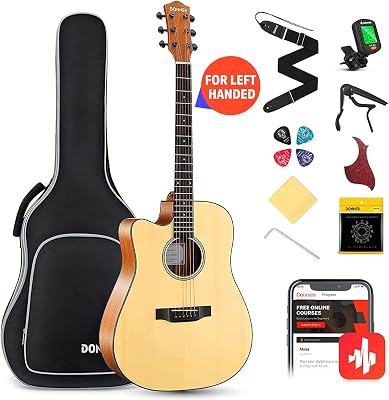
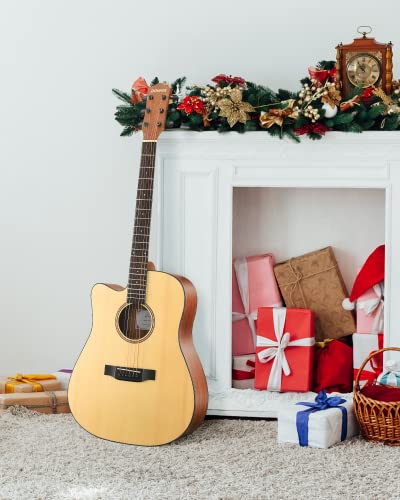
Donner Left Handed Acoustic Guitar Kit for Beginner Adult Full Size Cutaway Lefty Acustica Guitarra Bundle Set with Bag Strap Tuner Capo Pickguard String, 41 Inch, DAG-1CL
In Stock


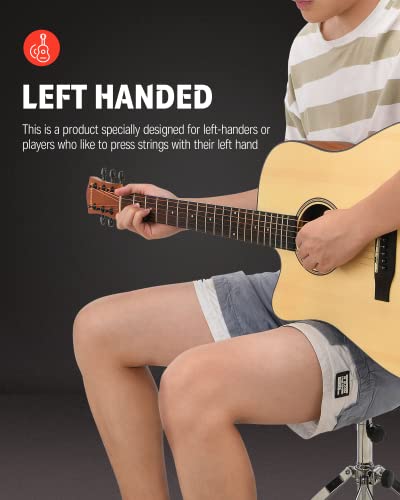
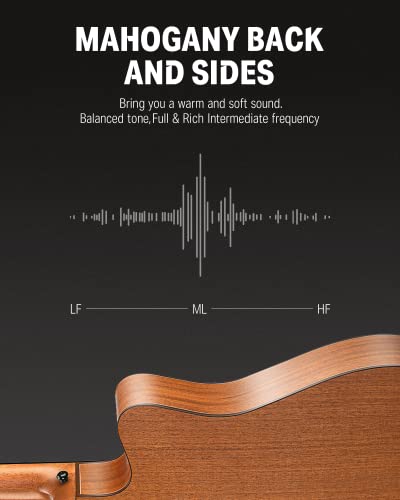
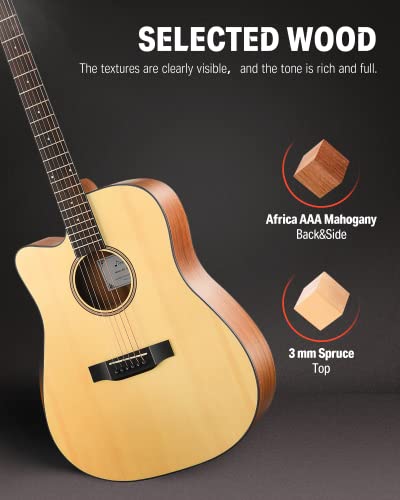
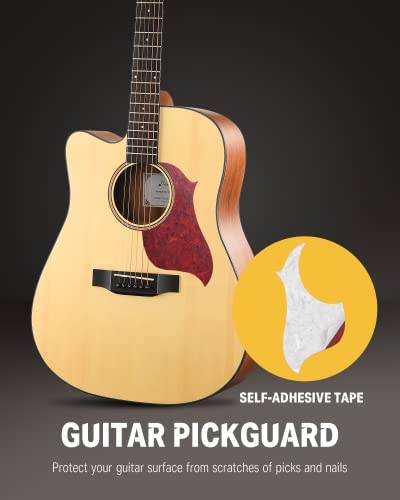
As an Amazon Associate we earn from qualifying purchases. Product prices and availability are accurate as of the date/time indicated.

19
Prime
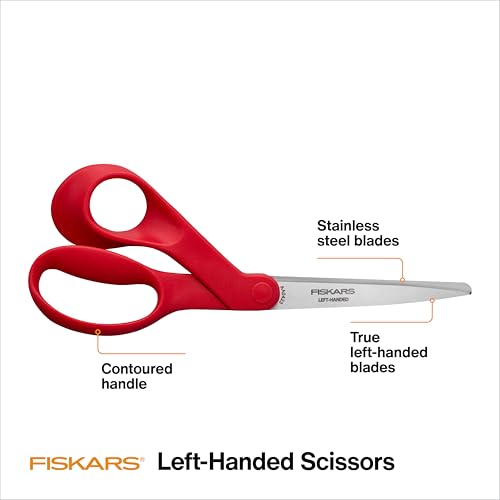
Fiskars Left-Handed Scissors, Precision Cutting for Craft Fabric Paper, Ergonomic Comfort Grip, Stainless Steel, 8", Red
In Stock




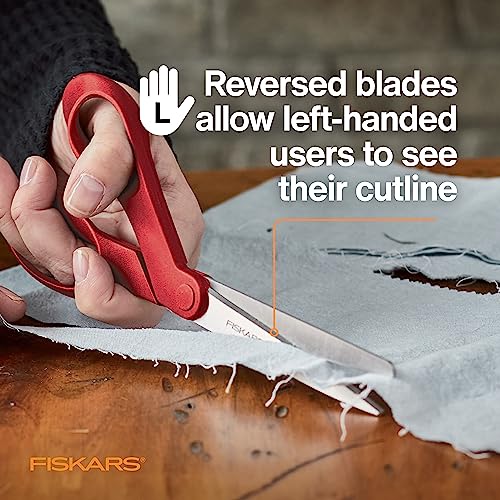
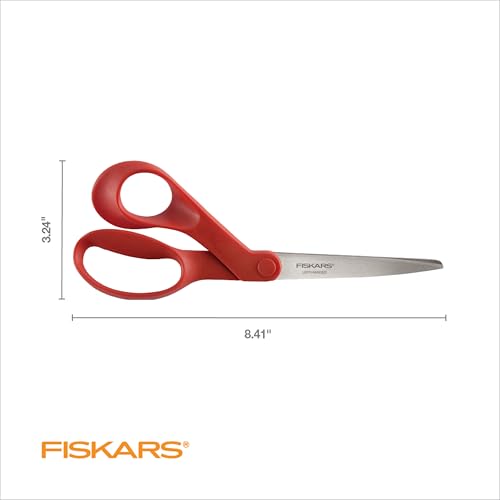

As an Amazon Associate we earn from qualifying purchases. Product prices and availability are accurate as of the date/time indicated.

7
Prime
Custom Left Handed Spiral Notebook Journals with Professional Colored Covers – 6 Pack of 8.5" x 11" – College Ruled, Hard Cover, 50 Sheets Per Book – For Journaling, Office, School Supplies, etc.
In Stock


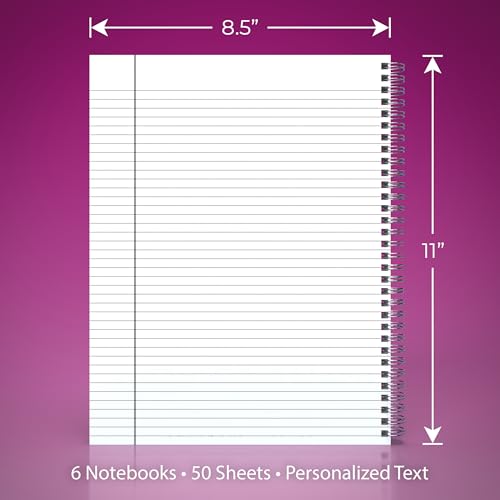
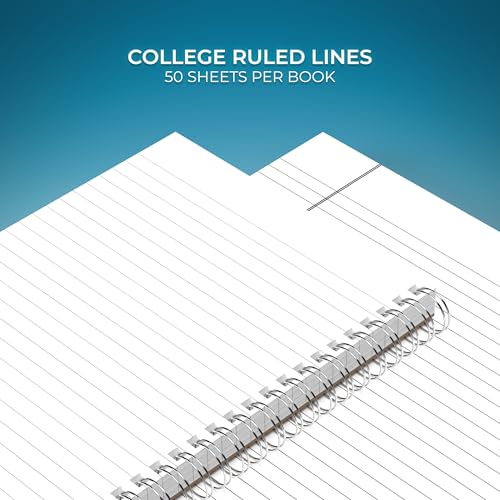
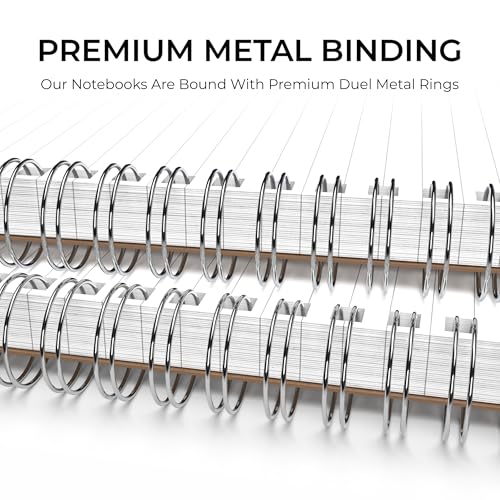
As an Amazon Associate we earn from qualifying purchases. Product prices and availability are accurate as of the date/time indicated.
Browse the full Amazon left-handed instrument catalog:
Search Amazon: Left Handed Musical Instruments
Instrument-by-Instrument Comparison
1. Acoustic Guitar — Left-Hand Build Required
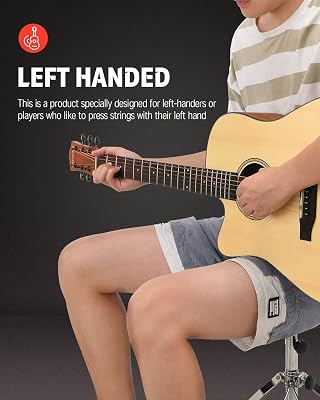
A left-hand acoustic guitar is more than a right-hand guitar with flipped strings. The nut slots are cut for reversed string gauges (low E on the right), the saddle is compensated from the opposite end, and on quality acoustic guitars the internal bracing (X-bracing pattern) is mirrored for the reversed string tension profile. Restringing a right-hand guitar left-handed on a budget instrument is functional but technically compromises the instrument’s voicing.
The Donner DAG-1L (ASIN B077TPN65H, $119.99) is the standout Amazon value: a properly built left-hand dreadnought with correct nut, saddle, and bracing orientation. Ships with everything a beginner needs. Read our this guide on left handed acoustic guitar beginner for a full breakdown of this model and others.
LH instrument necessity: 9/10. Buy purpose-built — don’t restring.
2. Electric Guitar — Left-Hand Build Recommended
Electric guitars are more forgiving than acoustics — no internal bracing, and pickup pole piece spacing matters less at entry level. Restringing a right-hand electric guitar left-handed is more viable than with acoustics (Hendrix famously restrung right-hand Stratocasters). However, control knobs and output jack placement may end up in awkward positions, and the nut still needs re-slotting for correct string gauges.
For a proper left-hand electric: Squier, Epiphone, and Harley Benton all produce affordable left-hand versions of their popular models ($200–$400). These are the smart buy — purpose-built, no compromises.
LH instrument necessity: 7/10. Purpose-built preferred; restrung right-hand can work at a pinch.
3. Bass Guitar — Similar to Electric Guitar
Left-hand bass guitars are marginally easier to find than left-hand electric guitars because the bass market has historically been more lefty-tolerant. Fender, Squier, Ibanez, and Yamaha all carry left-hand bass options in their entry-level lines. The same principles apply as electric guitar — purpose-built is ideal, restrung is functional.
LH instrument necessity: 7/10. Solid selection available; buy purpose-built.
4. Ukulele — Lower Stakes, More Options
Left-hand ukuleles are widely available at all price points. The instrument is small and simple enough that nut re-slotting is cheap and quick. Several brands offer left-hand specific models — Kala, Lanikai, and Flight all have lefty options. For beginners, a purpose-built left-hand uke is the right call; at $50–$100 the price difference is minimal.
LH instrument necessity: 6/10. Easy to find, low cost difference — just buy the lefty version.
5. Violin / Viola / Cello — Complex Territory
Left-hand bowed string instruments are genuinely complex builds. The bass bar (internal brace under the bass strings) and sound post positions are reversed, the fingerboard is mirrored, and the bow is held in the left hand. True left-hand violins exist but are significantly more expensive and harder to find. Most music educators strongly encourage left-handers to learn right-handed violin — the dominant (left) hand ends up on the bow, which is the more expressive role anyway. This is one instrument category where right-handed learning has a strong functional case.
LH instrument necessity: 4/10. Dominant hand on bow in standard orientation is actually advantageous for lefties.
6. Keyboard / Piano — Fully Hand-Neutral
Piano and keyboard are the great equalizers — both hands play equally complex roles, the layout is symmetric, and there is no left-hand or right-hand instrument. Left-handed pianists often find their dominant hand picks up the bass/accompaniment role faster, but this is highly individual. No specialized equipment needed.
LH instrument necessity: 0/10. Buy any keyboard without concern for handedness.
Instrument Comparison Spec Table
| Instrument | LH Necessity | Restring Viable? | Amazon Availability | Budget Entry Price |
|---|---|---|---|---|
| Acoustic guitar | 9/10 | Not recommended | Good (Donner, Fender) | ~$120 (Donner DAG-1L) |
| Electric guitar | 7/10 | Viable at entry level | Good (Squier, Epiphone) | ~$200 |
| Bass guitar | 7/10 | Viable at entry level | Very good | ~$180 |
| Ukulele | 6/10 | Easy — low cost | Excellent | ~$60 |
| Violin | 4/10 | Not recommended | Limited | ~$150+ |
| Keyboard / Piano | 0/10 | N/A — hand-neutral | Unlimited | ~$80 |
The Donner DAG-1L: Why It’s Our Top Amazon Pick
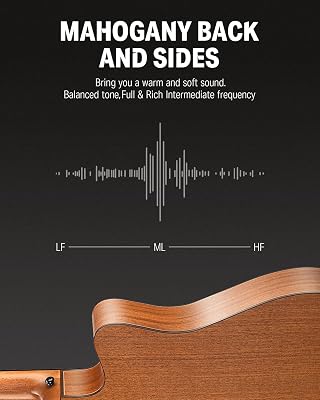
At $119.99, the Donner DAG-1L left-handed acoustic guitar is the most complete beginner package in its price bracket. Spruce top for clear articulation, mahogany back and sides for warm midrange, a properly cut left-hand nut and saddle — not a restrung right-hand guitar. The bundle includes a gig bag, strap, picks, tuner, and extra strings. Nothing to add for day one playing.
Where Donner cuts corners: the tuning machines are functional but not silky-smooth, and the fret finishing could be cleaner on the edges. Both are easily addressed with a basic setup from a local guitar tech ($30–$50). Post-setup, this guitar punches well above its price point. Read the full review in our see left handed acoustic guitar beginner guide.
More Gear for the Left-Handed Musician
- this guide on left handed acoustic guitar beginner — full breakdown of the best starter guitars including the Donner DAG-1L.
- Best Left-Handed Pens 2026 — for writing chord charts and set lists without smearing ink across the page mid-gig.
- Left-Handed Spiral Notebook Guide — practice journals, chord notes, and songwriting without spiral interference.
FAQ: Left Handed Musical Instruments
Should I learn guitar right-handed or buy a left-handed guitar?
If you’re a natural left-hander starting from scratch, buy a left-handed guitar. The early learning curve feels more natural with your dominant hand on the strumming/picking role, and modern left-hand guitars at every price point are fully legitimate instruments — not compromised versions. The counter-argument (learn right-handed for instrument availability) is valid but overweighted by most music teachers. Many of the most expressive guitarists in history were left-handers who played left-handed.
Can I just restring a right-handed guitar for left-handed playing?
On an electric guitar, restringing is viable — particularly at entry level where the differences are minor. On an acoustic guitar, restringing without re-cutting the nut and adjusting the saddle compensation produces a correctly-strung guitar that’s slightly out of intonation and has mis-sized nut slots (too narrow for low-gauge strings, too wide for high-gauge). A guitar tech can do a proper left-hand conversion for $50–$80 — worthwhile on a good right-hand guitar you own, but not necessary if you’re buying new.
Are left-handed guitars more expensive than right-handed?
At entry level, the price difference is minimal — often $0–$20. Mid-range and above, left-hand models can run 10–20% more, and selection narrows significantly. At the high end ($1,000+), left-hand options from premium builders require special orders or custom work, which adds both cost and lead time. For beginners and intermediate players, the price difference is not a meaningful barrier.
What is the best left-handed instrument for a complete beginner?
Ukulele or acoustic guitar. Ukulele is lower cost, physically smaller (easier for smaller hands), and has fewer strings to manage. The Donner left-handed acoustic guitar ($119.99 on Amazon, ASIN B077TPN65H) is the best value complete package for someone committed to guitar specifically. Keyboards are also excellent for beginners — completely hand-neutral, widely available, and teach music theory alongside technique.
Did Jimi Hendrix use a left-handed guitar?
Hendrix played right-handed Fender Stratocasters restrung and flipped for left-handed playing — he did not use factory left-hand instruments because they simply weren’t available in the 1960s. His upside-down Strat (with the low E string at the bottom from a factory perspective) contributed to his unique tone and technique. Today there’s no reason to go this route — proper left-hand guitars at every price point make Hendrix’s workaround unnecessary for modern players.
Final Verdict
For acoustic guitar — the most popular entry point for new musicians — buy a purpose-built left-hand instrument like the Donner DAG-1L. Don’t restring, don’t compromise, don’t let a music store talk you into learning right-handed “because it’s easier.” It isn’t easier. It’s just more common.
For ukulele and bass, the left-hand options are plentiful and affordable. For keyboard and piano, handedness is irrelevant — just play. For violin, the conventional argument for right-hand learning is stronger than with guitar, but ultimately your comfort matters most.
Complete the picture with our the full left handed acoustic guitar beginner walkthrough, and don’t forget the small stuff: a left-handed notebook for your practice journal and a quick-dry left-handed pen that won’t smear your chord charts. Every tool working with you, not against you — that’s the whole point.
Related Guides
Frequently Asked Questions
Which instruments genuinely come in left-handed versions?
Guitars, basses, ukuleles, mandolins and banjos are widely available as true left-handed builds with mirrored bodies, nuts and bridges. Violins and cellos can be built or restrung left-handed but rarely are, and drum kits are simply rearranged rather than remanufactured. Wind and brass instruments are almost never mirrored.
Is there a price premium for left-handed instruments?
Usually a modest one, driven by shorter production runs rather than extra materials. Expect a small uplift on mainstream guitar models and a much larger one on boutique or vintage-style builds. The bigger cost is choice: far fewer models, finishes and price points reach the left-handed shelf.
Should a left-hander just learn right-handed?
It depends on the instrument. Piano, drums and most orchestral instruments are effectively two-handed and are best learned in the standard configuration. Guitar-family instruments are the real decision point, and if a left-hander cannot strum comfortably right-handed, buying a proper left-handed instrument is the better long-term choice.
Can a right-handed instrument be converted?
Guitars can be restrung reversed, but the nut slots, bridge saddle compensation, pickup angle and controls all end up wrong, and cutaways and armrests sit on the useless side. A luthier can cut a new nut and saddle for a decent result on a flat-top acoustic; electrics are harder.
What about resale value?
Left-handed instruments sell more slowly because the buyer pool is smaller, though desirable models hold value well precisely because supply is limited. Expect to wait longer for a sale and to sell nationally rather than locally. Buying a common model in a standard finish makes eventual resale considerably easier.
Related Reviews & Guides



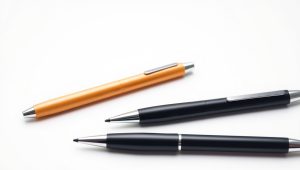
8 Best Left Handed Ergonomic Pens

Left Handed Spiral Notebook Bound Review