

Last Updated: September 1, 2026
- Top Pick: Best Left-Handed Crochet Hook Set
- How Left-Handed Crochet Actually Works
- Crochet Hook Comparison: What Matters for Ergonomic Left-Hand Use
- Tulip Etimo Rose Set: A Closer Look
- Left-Handed Crochet Resources: Where to Learn LH Technique
- FAQ: Left-Handed Crochet Hook Sets
- Related Guides
- Frequently Asked Questions
- Related Articles
- Top Pick: Yarniss Crochet Hooks,14 Size Ergonomic Crochet Hooks Set 2mm(B)-10mm(N)
- Best Value: MECHEER Crochet Hooks 12 Sizes Crochet Hook Set, 51 Pack Yarn Crochet Kit for Beginners, Knitting Needles with Ergonomic Handles for Arthritic Hands, Crochet Needle Kit with Blue Case for Crocheters
- Premium Choice: Crochet Hooks Set, Aluminum Handle Knitting Needles for Arthritic Hands, Crochet Needles for Yarn Craft, Nice Gift for Women
As an Amazon Associate, Label Our Lefty earns from qualifying purchases. This article contains affiliate links — if you buy through them we may earn a small commission at no extra cost to you. We only recommend products we believe in.

Best Left-Handed Crochet Hook Set 2026: Ergonomic Grip Hooks for Southpaw Crafters
Quick Answer / TL;DR
Crochet hooks are directionally neutral tools — the hook geometry itself works in either hand — but the handle shape, grip material, and how you hold the hook during repetitive stitching absolutely affect comfort and RSI risk for left-handed crafters. The Tulip Etimo Rose Crochet Hook Set (ASIN B09MXPZK5V) delivers the best combination of ergonomic soft-grip handles, precision hook tips, and a full size range that suits left-handed technique from beginner to advanced. Learning LH crochet requires mirror-technique resources, not special tools. Best pick: ASIN B09MXPZK5V.
As an Amazon Associate we earn from qualifying purchases.


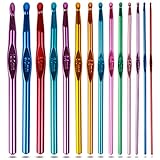
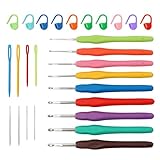


Left-handed crocheters occupy a slightly unusual position in the crafting world: the tool itself — the crochet hook — is symmetric. Unlike scissors or can openers, there is no right-handed or left-handed hook geometry. What differs is the technique. Left-handed crocheters mirror right-handed movements — yarn tension runs over different fingers, the hook rotates in the opposite direction, and stitch construction proceeds from right to left rather than left to right. This means the tool requirements are about ergonomics and comfort, not geometry reversal.
That said, comfort matters enormously in crochet. Repetitive strain in the hook hand (your left hand as a southpaw) is the primary reason crafters stop crocheting or need long breaks between sessions. The right ergonomic handle set dramatically extends comfortable crocheting time and reduces long-term RSI risk.
🛒 Best Price Today on Amazon
Prime members get fast, free shipping on everything above, plus member-only deals. New members get a 30-day free trial — cancel anytime.
Top Pick: Best Left-Handed Crochet Hook Set
BEST ERGONOMIC SET FOR LEFTIES
Tulip Etimo Rose Crochet Hook Set
Premium Japanese-engineered hooks with cushioned grip handles. Full size range, buttery smooth tips, and grip comfort for multi-hour sessions. Works identically in left or right hand.
BEST BUDGET LH CROCHET OPTION
Clover Soft Touch Crochet Hook Set
Excellent entry-level ergonomic hooks with soft rubber grip. Strong LH community following and widely available in the US. Great for beginners learning left-hand crochet technique.
LH CRAFT COMPANION
Left-Handed Sewing & Craft Scissors
The right scissors make a difference when cutting yarn ends or fabric. True LH blade geometry for clean cuts without smashing yarn fibers.

19
Prime
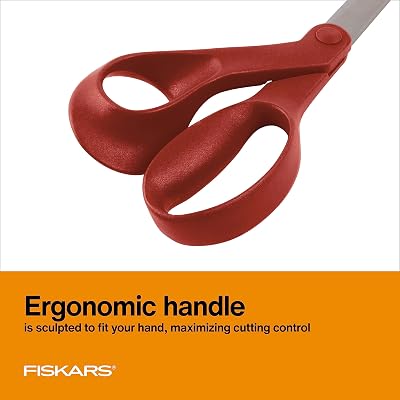
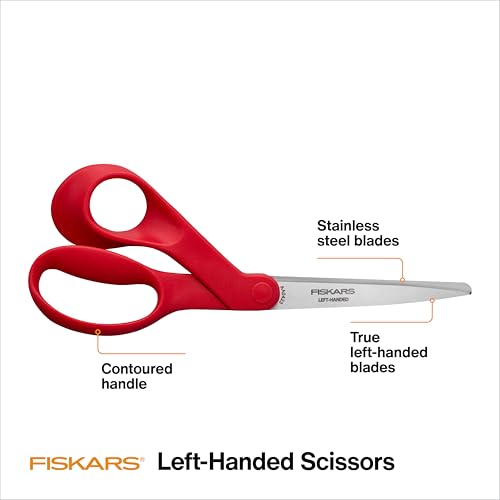
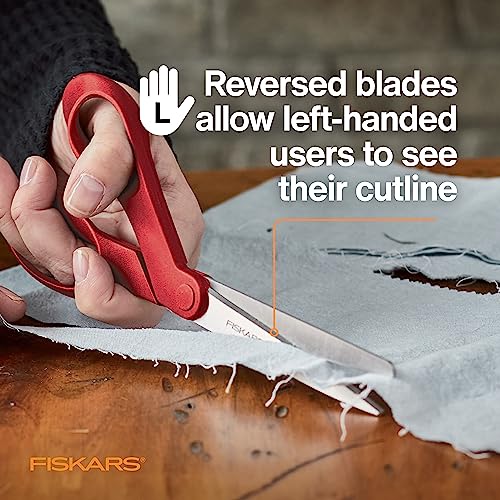
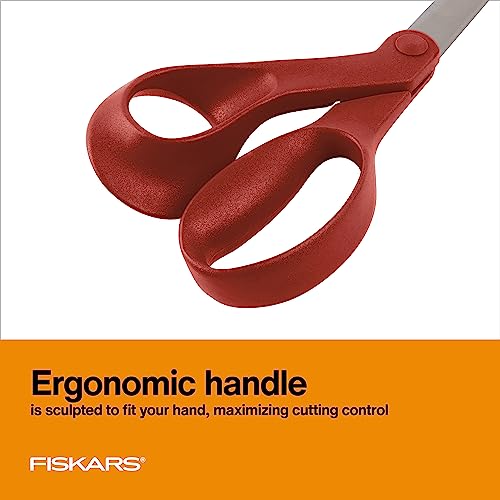
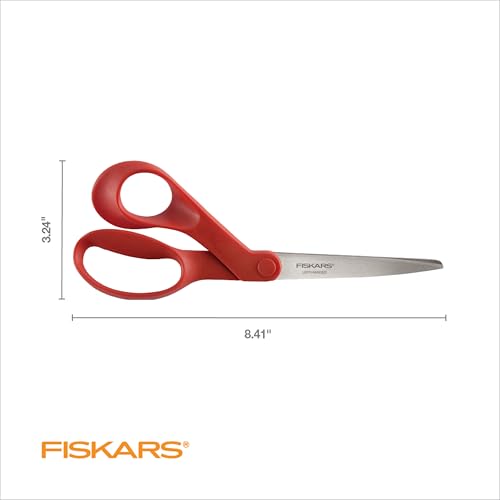
Fiskars Left-Handed Scissors, Precision Cutting for Craft Fabric Paper, Ergonomic Comfort Grip, Stainless Steel, 8", Red
In Stock




As an Amazon Associate we earn from qualifying purchases. Product prices and availability are accurate as of the date/time indicated.
How Left-Handed Crochet Actually Works
Understanding left-handed crochet technique clarifies what equipment actually matters. In right-handed crochet, the hook is held in the right hand and yarn is tensioned over the left hand fingers. Stitches build left to right across a row. In left-handed crochet, this mirrors exactly: hook in the left hand, yarn tensioned over the right hand fingers, stitches building right to left across a row.
The finished fabric looks identical — same stitch structure, same dimensions, same appearance. When you turn a left-handed crocheter’s work to follow a pattern, the work proceeds normally. The only practical difference is that pattern charts may feel slightly reversed when reading them left-to-right, and video tutorials require mental mirroring (or you watch yourself in a mirror). Pattern instructions themselves — chain 6, single crochet in each stitch across — work identically in both hands.
The Pencil vs. Knife Grip for Left-Handed Crocheters
Left-handed crocheters use the same two primary grip styles as right-handed: pencil grip (hook held like a pencil between thumb and index finger) and knife grip (hook resting in the palm with thumb and index finger on the flat section of the handle). Neither grip is superior — it depends on which feels natural and which produces less wrist tension during extended sessions.
Left-handed beginners often struggle initially because most beginner resources show a right-hand grip. Mirror the position deliberately rather than trying to adapt a right-hand tutorial directly. For pencil grip: left thumb and index finger pinch the flat section of the handle just below the throat. The hook tip faces slightly away from you. For knife grip: the hook rests in the left palm, handle tucked between thumb and curved index finger. Experiment with both in the first few sessions — your preferred style will become clear within an hour of practice.
Crochet Hook Comparison: What Matters for Ergonomic Left-Hand Use
| Feature | Why It Matters for Lefties | Tulip Etimo Rose | Clover Soft Touch | Basic Aluminum |
|---|---|---|---|---|
| Handle diameter | Thicker handles reduce grip tension during long sessions | Wide cushioned grip | Medium soft rubber | Slim, no cushion |
| Hook tip shape | Inline vs. tapered affects stitch entry — same for LH/RH | Inline, buttery smooth | Tapered, very smooth | Varies by brand |
| Grip material | Soft non-slip reduces the grip force lefties use | Premium cushioned foam | Soft rubber overmold | None / bare metal |
| Size range | Full range means one set covers all yarn weights | B-N (2.25mm–9mm) | B-K (2.25mm–6.5mm) | Varies by set |
| Price | Investment reflects long-term comfort and durability | $$$ | $$ | $ |
Tulip Etimo Rose Set: A Closer Look
Tulip is a Japanese craft tool manufacturer with a strong reputation in both the crochet and knitting communities for precision and comfort. The Etimo Rose set is their premium consumer line — the handle design came directly from ergonomics research into repetitive-motion crafting. Each hook has a wider-than-standard handle with cushioned foam that compresses slightly under grip pressure, reducing the contact force your fingers exert over time.
The hook tips are polished to an extremely smooth finish — yarn glides over the metal without catching. This matters because even micro-friction at the hook tip means you’re applying slightly more force per stitch, multiplied by thousands of stitches per project. Tulip’s tips are consistently cited by left-handed crafters as one of the smoothest in this price range.
The flat thumb rest section (the flattened area of the handle just below the hook throat) is well-positioned for both pencil and knife grip styles, which is relevant for left-handed crocheters because both grip styles are common in the LH community and handle proportions affect grip comfort differently depending on which style you use.
Left-Handed Crochet Resources: Where to Learn LH Technique
The main challenge for beginning left-handed crocheters isn’t the tool — it’s finding technique resources. Most YouTube tutorials, books, and online courses assume right-hand technique. A few resources specifically serve left-handed learners.
For video learning: search specifically for “left-handed crochet tutorial” on YouTube — there is a growing library of mirror-view instruction content. Some creators shoot their tutorials facing a mirror specifically for left-handed students, which means you can follow along directly without mental reversal. For book-format learning, “Left-Handed Crochet” by Pauline Turner is the most cited dedicated LH resource in the English-language crochet community.
For pattern reading: all written crochet patterns work identically for left-handed crocheters — the stitch instructions are the same. Chart-based patterns read slightly differently because the direction of work is reversed. Most experienced left-handed crocheters simply mentally flip chart reading direction, which becomes automatic quickly.
For more southpaw crafting tool coverage, see our guides on left-handed sewing machines, left-handed rotary cutters, and essential lefty tools. Crafting as a lefty is entirely accessible with the right resources and ergonomic tools.
FAQ: Left-Handed Crochet Hook Sets
Do left-handed crochet hooks actually exist as separate products?
No — crochet hooks are symmetric tools by design. The hook geometry (throat depth, tip shape, shank diameter) is identical regardless of which hand holds it. There are no left-handed crochet hooks to seek out specifically. What matters is ergonomic handle design that reduces RSI risk during long sessions, and that benefit applies equally to both hands. The Tulip Etimo Rose and Clover Soft Touch sets are recommended specifically for their ergonomics, not any handedness-specific feature.
Is it harder to learn crochet as a left-handed person?
The initial learning curve is slightly steeper due to fewer left-hand-specific tutorials and the need to mirror right-hand instruction. Once you’ve internalized the mirroring — typically within the first two to four weeks of practice — left-handed crochet is no harder than right-handed. Many experienced left-handed crocheters report they can eventually follow right-hand tutorials without conscious mirroring because the stitch logic becomes automatic regardless of which hand executes it.
What size crochet hooks should a beginner left-handed crocheter start with?
Most crochet instructors recommend starting with a US size J/6mm hook and a smooth worsted-weight yarn (wool or cotton rather than acrylic for beginners — it’s less slippery). The J hook is large enough to see what your stitches are doing clearly, forgiving of tension inconsistency, and works with widely available practice yarn. Once basic stitches are comfortable, the rest of the size range opens up naturally as you follow patterns specifying different yarn weights.
Will ergonomic hooks help with hand pain during left-handed crochet?
Yes, significantly. Hand fatigue and repetitive strain during crochet comes from sustained grip force — when the handle is thin or slippery, you unconsciously grip harder to maintain control. Ergonomic handles with wide cushioned grips reduce the baseline grip force needed, which reduces cumulative hand strain. Left-handed crocheters who switch from basic aluminum hooks to ergonomic-handled hooks commonly report being able to crochet two to three times longer per session without discomfort.
Can I follow any crochet pattern as a left-handed crocheter?
Yes, with minor adaptation. Written patterns (chain X, sc in each stitch across) work identically. Stitch counts, row heights, and finishing all come out the same. Charts require reading right-to-left instead of left-to-right for worked rows, which feels unnatural initially but becomes second nature quickly. The only patterns that require genuine attention are asymmetric shaped pieces — like left and right armhole shaping in a sweater — where the shaping instructions may produce a mirror image. In that case, simply swap “right side” and “left side” instructions.
Related Guides
Frequently Asked Questions
Are crochet hooks themselves left-handed?
The hook shaft is symmetrical, so a plain aluminium hook works in either hand. What is handed is the ergonomic handle: moulded thumb rests and flattened grips are shaped for a right palm and feel wrong reversed. Look for symmetrical soft grips, or handles explicitly described as suitable for left-handers.
How does left-handed crochet differ from right-handed?
You work from left to right instead of right to left, and every stitch is the mirror image. The stitches themselves are identical, so written patterns work unchanged except where they specify direction or asymmetric shaping. Video tutorials are easier if you mirror them, which most video players cannot do, so seek out left-handed tutorials.
Inline or tapered hook head?
Inline hooks have a head cut straight in line with the shaft, which grabs yarn consistently and suits tight tension. Tapered hooks have a rounded throat that slides into stitches more easily and suits loose tension. Neither is handed; buy one of each in a common size and see which snags less.
What sizes should a starter set include?
A set covering roughly two and a half to six and a half millimetres handles most yarn weights from four-ply to aran, which is where nearly all beginner patterns sit. Add larger hooks only when you move to chunky yarn, and add fine steel hooks only if you take up thread crochet.
Do ergonomic sets cost much more?
Ergonomic handled sets cost several times a plain aluminium set, but they are worth it for anyone crocheting for long stretches or managing arthritis or wrist strain. Because the handle rather than the hook is the handed part, you can also buy universal rubber grips to fit onto cheap hooks.
Related Reviews & Guides


Left Handed Darts Target

Quick Picks: Left-Handed Sewing Thimble Rings


