Last Updated: October 17, 2026
- Top Picks at a Glance
- Comparison Table
- 1. Philips Sonicare 4100: Best Overall
- 2. Oral-B Pro 1000: Best Value Round-Head
- 3. Oral-B iO Series 3: Best Smart Pressure Feedback
- 4. Philips Sonicare 5900: Best Step-Up Sonic
- 5. Aquasonic Black Series Ultra Whitening Toothbrush: Best for Travel and Extra Heads
- 6. COSLUS C30: Best Budget
- Also Consider
- How We Chose
- Buying Guide: How to Choose an Electric Toothbrush
- Brushing Comfortably as a Left-Hander
- Common Mistakes to Avoid
- Frequently Asked Questions
- Which One Should You Buy?
- Sources
The best electric toothbrush for most left-handed brushers is the Philips Sonicare 4100: it has a symmetrical handle, a built-in pressure sensor, and a simple one-button layout that works the same in either hand. The runner-up is the Oral-B Pro 1000, a long-running, reasonably priced round-head brush that is easy to guide with your left hand. If you want recommendations for electric toothbrushes that support better daily oral hygiene, this guide sorts the field by what actually changes your routine: head type, timers, pressure feedback, battery, and how comfortable the handle and buttons are for a lefty.
Electric toothbrushes are not made for left-handers specifically, and none of the models below are marketed that way. Most handles are symmetrical, which is good news, but button position, grip shape, and the angle of the head still affect comfort when you brush with your left hand. This is a research-based guide. We did not personally use these products. We compared the specifications stated in retail listings and manufacturer pages and the published guidance of dental organizations, and where a spec is not stated we write “not listed.” This article is general shopping information, not dental or medical advice. For questions about gum health, sensitivity, braces, implants, or any condition, ask your dentist or hygienist which kind of brush suits you.
As an Amazon Associate we earn from qualifying purchases at no extra cost to you.


Top Picks at a Glance
- Best Overall: Philips Sonicare 4100 Rechargeable Electric Toothbrush
- Best Value Round-Head: Oral-B Pro 1000 Rechargeable Electric Toothbrush
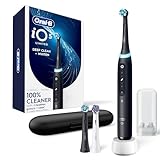
- Best Smart Pressure Feedback: Oral-B iO Series 3
- Best Step-Up Sonic: Philips Sonicare 5900 (2 brush heads)
- Best for Travel and Extra Heads: Aquasonic Black Series Ultra Whitening Toothbrush
- Best Budget: COSLUS C30 Electric Toothbrush for Adults
Comparison Table
| Product | Best for | Key specs (from the listing) | Watch for | Price tier |
|---|---|---|---|---|
| Philips Sonicare 4100 | Simple, symmetrical daily brushing | Rechargeable; pressure sensor; 1 or 2 brush heads depending on pack | Few modes; pack contents vary by color | Mid-range |
| Oral-B Pro 1000 | Round-head brushing on a budget | Rechargeable; round head; sold in several colors | Modes and timer details not in the title | Mid-range |
| Oral-B iO Series 3 | Pressure feedback and modes | 3 modes; smart pressure sensor; rechargeable | Replacement iO heads are brand-specific | Premium |
| Philips Sonicare 5900 | More features in a sonic brush | 2 brush heads; pressure sensor; rechargeable | Higher cost than the 4100 | Premium |
| Aquasonic Black Series | Many heads and a travel case | 8 brush heads; travel case; 40,000 vibrations per minute (listing) | Head quality and long-term support less established | Mid-range |
| COSLUS C30 | Trying an electric brush for the first time | 3 intensities; 5 modes; rechargeable | Lesser-known brand; specs thinly listed | Budget |
1. Philips Sonicare 4100: Best Overall
- Type: sonic electric toothbrush, rechargeable
- Feature in the listing: built-in pressure sensor
- Pack: 1 brush head in the white and black versions, 2 in the deep pink version
- Modes: not listed in the title (the 4200 model adds a 3-setting design)
- Battery runtime: not listed in the title
Best for: people who want a straightforward sonic brush with pressure feedback. Skip if: you want multiple cleaning modes or a visual app.
The Sonicare 4100 is a quiet workhorse. Its handle is slim and symmetrical, which means a left-hander can hold it as naturally as a right-hander, and the single power button is on the front face where either thumb can reach it. The most important feature for daily use is the pressure sensor: if you press too hard, the brush gives feedback, which helps people who brush aggressively, a common habit that dentists warn about. Sonic brushes work by vibrating the bristles at high speed, and the brush head is designed to be guided slowly along the teeth rather than scrubbed.
For a lefty, the main practical consideration is handle grip and button reach. A slim handle suits most hands, but if you have larger hands, hold it in a store first if you can. The brush head attaches with a snap-on system, and replacement heads are widely sold. Dental organizations typically suggest replacing a brush head about every three months or sooner if the bristles are frayed, which is an ongoing cost to plan for.
Pros: built-in pressure sensor; slim symmetrical handle; widely available replacement heads; recognised brand. Cons: few modes; pack contents vary by color; battery runtime not in the title.
2. Oral-B Pro 1000: Best Value Round-Head
- Type: rechargeable electric toothbrush with a round head
- Colors: black, white, and pink versions are sold
- Cleaning style: oscillating-rotating head, as is typical for Oral-B
- Timer and pressure details: not listed in the title, check the maker’s page
- Battery runtime: not listed in the title
Best for: people who prefer a small round head that cups each tooth and want a modest cost. Skip if: you want smart features or multiple modes.
The Oral-B Pro 1000 is one of the most familiar electric toothbrushes in the world. The head is round and small, and you guide it from tooth to tooth, pausing a moment on each surface. That technique is easy to learn and works comfortably with the left hand: you rest the head on the tooth and let the brush do the work. For many people the round head is also easier to maneuver around the back molars than a wider sonic head.
The handle on the Pro 1000 is slightly thicker than a slim sonic brush, which many lefties find more secure. The power button sits on the front, so it is reachable with either thumb. Because the listing title gives few details, check the maker’s page for the timer and pressure sensor, which the brand has described for this series. If those features matter to you, confirm them on the box.
Pros: round head that is easy to guide; reasonable cost; secure handle; many colors. Cons: title lists few specs; fewer modes than newer models; replacement heads are brand-specific.
3. Oral-B iO Series 3: Best Smart Pressure Feedback
- Type: rechargeable round-head brush from the iO line
- Modes: 3
- Feature: smart pressure sensor, with a visual indicator
- Edition: Limited Deep Clean version in the listing
- Battery runtime: not listed in the title
Best for: people who want clear visual feedback on how they are brushing. Skip if: you want the cheapest option.
The iO line is Oral-B’s newer generation, and the Series 3 is the most accessible model in it. Its main selling point is the smart pressure sensor, which uses a light to show when you are pressing too hard and a signal when you are using the right amount. For someone trying to change a heavy-handed habit, that feedback is more intuitive than a vibration alone. The three modes let you choose between daily cleaning and a gentler setting, which can be useful if your gums feel sensitive. If they do, mention it to your dentist.
The iO heads are a different shape and are not interchangeable with older Oral-B heads, so check that you buy the right replacements. The handle is relatively smooth and symmetrical, and the indicator light is on the front, so it is visible regardless of which hand you use.
Pros: visual pressure indicator; three modes; modern Oral-B head design; symmetrical handle. Cons: higher cost; iO-only replacement heads; battery details not in the title.
4. Philips Sonicare 5900: Best Step-Up Sonic
- Type: rechargeable sonic toothbrush
- Pack: 2 brush heads
- Feature: pressure sensor, per the listing
- Color options: black, white, and pink
- Modes and runtime: not listed in the title
Best for: people who like the Sonicare 4100 and want more features and a second brush head in the box. Skip if: you do not need the extras.
The 5900 sits above the 4100 in the Sonicare range. It keeps the sonic motion and pressure sensor that make the line popular and adds a second brush head in the pack, which is useful both for sharing between two people and for having a spare ready. The step up usually comes with more cleaning options or a refined feel; check the maker’s page for the exact feature set, because the listing title does not detail it.
For a lefty, the same handle comments apply as with the 4100: the body is slim, the button is on the front, and the brush is easy to hold in either hand. If your current brush feels fine and you do not need more modes, the 4100 is the more economical choice.
Pros: two brush heads in the box; pressure sensor; reputable brand; several colors. Cons: higher cost than the 4100; modes not listed in the title; extras may be unnecessary.
5. Aquasonic Black Series Ultra Whitening Toothbrush: Best for Travel and Extra Heads
- Type: sonic electric toothbrush
- Included: 8 brush heads and a travel case
- Motion: 40,000 vibrations per minute, per the listing
- Claim in the listing: ADA accepted; confirm on the ADA’s own list
- Battery runtime: not listed in the title
Best for: travelers, couples sharing a handle, and anyone who likes a pack with plenty of spare heads. Skip if: you want a long track record of replacement-part support.
The Aquasonic stands out for what is in the box: eight brush heads and a travel case. That is a lot of value if you want to swap heads regularly or share the handle, and the case protects the brush in a bag. The 40,000 vibrations-per-minute figure comes from the listing; as with all such numbers, it is a motor spec rather than a promise about cleaning results. We recommend confirming any “accepted” claims directly with the dental association that issues them.
The trade-off is that this is a smaller brand than Philips and Oral-B, and replacement heads may not be as widely stocked. The “Ultra Whitening” name is marketing language, and a toothbrush cannot change the color of your teeth the way a dental treatment can, so do not buy it for that reason. Buy it for the extras and the sonic motion.
Pros: eight heads and a travel case; sonic motion; mid-range cost; good for sharing. Cons: smaller brand; “whitening” is a marketing label; battery details not in the title.
6. COSLUS C30: Best Budget
- Type: rechargeable electric toothbrush for adults
- Intensities: 3
- Modes: 5
- Heads: two types included, per the listing
- Battery runtime: not listed in the title
Best for: a first electric toothbrush at a very low cost. Skip if: you want a major brand with a long support history.
If you are curious about electric brushing and not ready to spend much, the COSLUS C30 is an easy trial. It offers three intensities and five modes, which is generous for the tier, and includes two head types. Cheap brushes can be a good way to learn whether you like an electric brush before investing in a premium model.
The caveat is information and support. The listing gives few technical details, the brand is lesser known, and replacement heads may be harder to find. If you decide you love electric brushing, you will likely upgrade to a major brand later. In the meantime, the same hygiene principles apply: brush for two minutes, twice a day, and do not press hard.
Pros: very low cost; five modes and three intensities; two head types. Cons: lesser-known brand; thin specs; replacement heads may be harder to source.
Also Consider
Philips Sonicare 1100
A basic rechargeable model with a two-minute guided timer, according to the listing. A modest way to try a Sonicare brush.
AJELU Sonic Electric Toothbrush
A low-cost USB-rechargeable sonic brush with eight brush heads, a smart timer, and five modes per the listing. An inexpensive option for sharing among family members.
Oral-B iO Series 7
A premium iO model that includes two replacement brush heads and a charging case. Aimed at people who want the most feature-rich Oral-B experience.
Philips Sonicare DiamondClean 9500
A top-tier Sonicare with three brush heads and a visual pressure sensor, according to the listing. It sits at the top of the cost range.
How We Chose
This guide is research-based. We did not personally use these toothbrushes, and we are not presenting lab results or dental claims. We began with the real products listed in the site’s product catalogue, kept ones that suit adult daily use, and compared what each listing states: brush type (sonic or round-head), pressure sensor, modes, included heads, and rechargeable format. Where the title did not give a detail, we wrote “not listed.”
We cross-checked against manufacturer pages for Philips Sonicare, Oral-B, Aquasonic, and COSLUS, and we consulted dental and consumer guidance from the American Dental Association, the NHS in the UK, Consumer Reports, and Wirecutter for how experts describe technique, replacement frequency, and what features matter. We also looked for left-handed-specific guidance. There is no electric toothbrush marketed for lefties, so we evaluated handle symmetry and button placement from the listings and photos. We limited each brand to two main picks, and use Budget, Mid-range, and Premium tiers rather than prices.
Buying Guide: How to Choose an Electric Toothbrush
Sonic or round-head?
Sonic brushes, such as Sonicare, vibrate the bristles at high speed and are guided along the teeth. Round-head brushes, such as Oral-B, oscillate and rotate in small circles and are guided tooth by tooth. Both can clean effectively when used as directed, and the best choice is the one you will use consistently. Many people with limited dexterity or those who struggle with technique find round heads easier to place; others prefer the broad sweep of a sonic head.
Pressure sensor and timer
A pressure sensor tells you when you are brushing too hard, which is a common mistake. A two-minute timer helps you reach the typical recommendation, and a 30-second pacer reminds you to move to the next quadrant. These two features are the most useful for building good habits, and they matter more than extra modes.
Modes and intensity
Modes such as clean, sensitive, and gum care change the motion or speed. Three modes are plenty for most people, and a sensitive setting can feel gentler. If you have sensitive teeth or gum problems, ask your dentist before relying on a mode label.
Handle, buttons, and left-handed comfort
Look for a symmetrical handle with a front-facing button that either thumb can reach. A slightly textured grip helps when your hands are wet. Check the head angle too: some brushes tilt the head slightly, which can feel more natural in one hand than the other. If possible, hold a display model or compare handle dimensions on the maker’s page. Charging stands are usually neutral, but cords and travel cases can crowd a small bathroom counter.
Battery, charging, and replacement heads
Check the stated runtime and whether charging is by stand, cord, or USB. Replacement heads are a recurring cost, so compare how widely stocked they are for the brand you choose. Many dental organizations suggest replacing a brush head about every three months, or earlier if the bristles look worn.
Brushing Comfortably as a Left-Hander
Because most electric toothbrush instructions are illustrated with a right-handed brusher, left-handers sometimes assume they are doing it backwards. You are not. The goal is the same for everyone: rest the head against the tooth at a gentle angle toward the gumline, let the motor do the work, and move slowly from tooth to tooth. Your dominant hand will naturally reach the opposite side of your mouth more awkwardly, so many people find it useful to switch hands briefly or change the angle of the wrist for the hardest-to-reach areas. If switching feels clumsy, slow down and use the guided timer to give every section its share of time.
A few practical habits help. Start each session on the side that is hardest to reach, while your patience and attention are highest. Keep your grip loose; a tight grip increases pressure, which is exactly what a pressure sensor is meant to discourage. Place the charging stand on the side of the sink where your left hand finds it first, and keep the cord clear of the tap so the brush is not pulled off the counter. Finally, if you ever feel pain, bleeding gums, or unusual sensitivity, stop and talk to a dentist rather than changing brushes on your own. A brush is a tool, not a treatment, and professional cleanings and check-ups remain the best way to catch problems early.
Finally, remember that the handle shape you prefer is personal. Some left-handers like a thin handle they can pinch, others like a thicker body they can wrap their palm around. If you have arthritis, reduced grip strength, or tremor, an electric brush can be easier than a manual one because the motor supplies the movement, but a heavier handle may tire your hand. In that case, choose the lightest body in your range and look for a non-slip grip.
Common Mistakes to Avoid
- Pressing hard. Electric brushes are designed to do the work, so guide them gently.
- Assuming more modes means better cleaning. Technique and consistency matter more.
- Forgetting to replace the head, then continuing with worn bristles.
- Buying on a whitening claim. A brush cannot do the job of a professional treatment.
- Ignoring head compatibility, since each brand’s heads usually fit only its own handles.
Frequently Asked Questions
What is the best electric toothbrush for a left-handed person?
Choose a model with a symmetrical handle and a front-facing button, such as the Philips Sonicare 4100 or the Oral-B Pro 1000. No mainstream model is built specifically for lefties, so comfort and grip matter most.
Are electric toothbrushes better than manual ones?
Many dental organizations say both can clean well when used correctly. Electric brushes can help by providing a timer and pressure feedback, which makes good technique easier to keep.
Sonic or oscillating, which should I choose?
Choose the style whose handle and head feel most comfortable, because that is the one you will use consistently. Sonic suits a sweeping motion, while oscillating round heads suit a tooth-by-tooth approach.
How often should I replace the brush head?
Dental guidance commonly suggests about every three months, or sooner if the bristles are frayed. Check the indicator bristles if your head has them.
Can I use an electric toothbrush with braces or sensitive gums?
Many people do, but this is a question for your dentist or orthodontist, who can recommend a head type and technique for your situation.
Do I need a pressure sensor?
It is not essential, but it is helpful if you tend to brush hard. It gives feedback in real time, which many people find easier than trying to judge pressure by feel.
Is a cheap electric toothbrush worth it?
It can be a good trial, as long as you accept thinner specs and potentially harder-to-find replacement heads. If you like electric brushing, you can upgrade later.
Which One Should You Buy?
If you want one answer, buy the Philips Sonicare 4100: a slim, symmetrical handle, a pressure sensor, and a simple interface. For a round head at a modest cost, choose the Oral-B Pro 1000, and if you want clear visual pressure feedback, step up to the Oral-B iO Series 3. The Sonicare 5900 adds a second head and extras, the Aquasonic Black Series is the pick for travel and spare heads, and the COSLUS C30 is the low-cost way to try an electric brush. Whichever you choose, ask your dentist about the right head and technique for your mouth, brush for two minutes twice a day, and replace the head regularly.
Sources
- Philips Sonicare and Oral-B manufacturer product pages
- Aquasonic and COSLUS manufacturer product pages
- American Dental Association consumer guidance on toothbrushes
- NHS guidance on electric toothbrushes
- Consumer Reports and Wirecutter buying guidance on electric toothbrushes
Last updated: October 2026
Related Reviews & Guides

6 Best Ergonomic Mice For Left Handed 2026
6 Best Cheapest Left Handed Golf Clubs 2026