Last Updated: September 3, 2026
- Top Pick: Fiskars 8" Left-Handed All-Purpose Scissors for Fabric & Crafts, Red
- Best Value: Tim Holtz Left Handed Scissors – 5 Inch Mini Snips with Micro Serrated Blade – Lefty Craft Tool for Cutting Paper, Fabric, and Sewing – Titanium with Black Comfort Grip Handles
- Premium Choice: Mxeiwzx Left-Handed Scissors for Adults, Leather Fabric Scissor Cut, Black
If you’ve ever tried cutting a clean curve with right-handed scissors, you already know the problem: the blades push the fabric or paper away from your line of sight instead of letting you follow it. For left-handed crafters, this isn’t a minor annoyance, it’s the difference between a precise cut and a ragged one. True left-handed scissors reverse the blade orientation so your natural hand pressure guides the blade along the cut line instead of away from it.
This guide breaks down what actually makes a pair of scissors “left-handed,” which type suits which craft, and how to pick a pair that will hold an edge through years of quilting, sewing, or paper crafting. We’ve also included specific models worth considering below, from titanium-coated fabric shears to kid-friendly options.
As an Amazon Associate we earn from qualifying purchases at no extra cost to you.


⚡ Save on Your Next PC — Amazon Prime
Prime members get fast free shipping on the systems above, plus early access to Prime Day & Black Friday PC deals. New members get a 30-day free trial.
Watch: The Ultimate Guide to Left-Handed Scissors for Crafting — Video Review
What Makes Scissors Truly Left-Handed
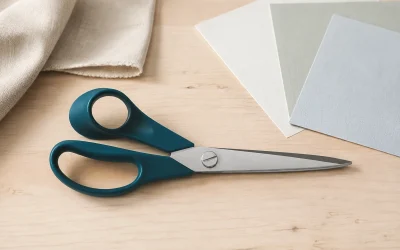
Scissors aren’t symmetrical. On right-handed scissors, the top blade sits on the right side, which lets a right-handed grip apply pressure that keeps the blades pinched together on the cut line. For a left-handed user, that same design forces the blades apart, so the fabric or paper bows away and the cut wanders. Genuine left-handed scissors flip the blade order and often the handle angle, so left-hand pressure closes the blades correctly.
- Check that the top blade sits on the left when the scissors are closed and viewed from above.
- Ambidextrous “ProGrip” style handles aren’t a substitute for reversed blades on detailed cutting work.
- Handle offset (like the angled design on the Fiskars 8″ All-Purpose pair) matters more for fabric than for paper.
Matching Scissors to Your Craft
Different materials demand different blade lengths, tip shapes, and steel types. A single all-purpose pair rarely covers fabric, paper, and detail work equally well.
- General crafting and paper: An 8-inch all-purpose pair, like the Fiskars 8″ Left-Handed All-Purpose Scissors, handles cardstock, felt, and light fabric without fatigue.
- Fine detail and paper piecing: Short blades with a sharp point, such as the Tim Holtz 5-Inch Mini Snips with micro-serrated blades, grip thread and paper for trimming close to seams or intricate die cuts.
- Leather and heavy fabric: Look for forged stainless steel with a titanium coating, like the Mxeiwzx Left-Handed Leather Fabric Scissors or the 9-inch titanium-coated multi-purpose shears, both built for thicker material without blade flex.
- Learning crafters: Teens and new sewists benefit from a softer grip and lighter blade, such as the Fiskars 8″ SoftGrip Left-Handed Teen Scissors.
Blade Material and Edge Retention
Blade steel determines how long a pair stays sharp and how well it resists snagging fine fabric. Titanium-coated stainless steel resists corrosion and holds an edge through roughly 30-40% more cuts than uncoated steel before needing a sharpen, based on typical manufacturer wear testing for craft shears.
- Micro-serrated blades, found on the Tim Holtz mini snips, grip slippery fabric like silk or ribbon so it doesn’t slide out of the cut.
- PVD-coated stainless steel, used on budget multipurpose sets like the Amazon Basics 2-pack, resists rust in humid craft rooms.
- Forged blades (as opposed to stamped) hold their pivot tension longer, which matters if you’re cutting daily.
Handle Design and Comfort
A blade cutting in the right direction still won’t help if your hand cramps after ten minutes. Handle shape affects grip fatigue more than most crafters expect, especially during long quilting or dressmaking sessions.
- Comfort-grip handles with a soft rubber overlay reduce pressure points during repetitive cutting.
- Bent or offset handles, common on 8-inch and 9-inch fabric shears, let the blade lie flat against a cutting table for cleaner, straighter cuts.
- Straight handles work better for detail scissors under 6 inches, where control matters more than leverage.
Choosing the Right Size for the Job
Blade length should match the length of your average cut, not the biggest cut you’ll ever make.
- 5 inches or under: best for trimming threads, paper piecing, and detail work near curves.
- 7-8 inches: the sweet spot for most sewing, quilting, and general craft cutting.
- 9 inches and up: suited to long, straight runs through heavy fabric, leather, or multiple layers.
Tips
- Wipe blades after cutting adhesive-backed paper or fusible interfacing; residue buildup dulls edges faster than normal use.
- Keep a separate pair for paper and one for fabric. Paper fibers and glue dull fabric shears within weeks of mixed use.
- Have blades professionally sharpened once tension in the pivot screw no longer keeps a clean cut, usually every 12-18 months with regular use.
- Store scissors closed and covered. An exposed blade edge nicks easily against metal rulers or other tools in a craft box.
Frequently Asked Questions
Can a left-handed person use right-handed scissors?
Yes, but with reduced accuracy. The blades will push material away from the cut line rather than guiding it, which shows up most on curves and detailed shapes. For straight cuts on paper, the difference is minor; for fabric and precision work, it’s significant.
What’s the difference between left-handed and ambidextrous scissors?
Ambidextrous scissors typically use a symmetrical handle with a straight, centered blade so either hand can apply usable pressure, but they rarely match the cutting precision of true left-handed blades. Left-handed scissors physically reverse the blade order for left-hand pressure. If you do detailed fabric or paper work regularly, true left-handed blades outperform ambidextrous designs.
How do I know if a pair labeled “left-handed” is actually reversed?
Hold the scissors closed with the tips pointing away from you. On genuine left-handed scissors, the blade on top (closer to you) should be on the left side. If it’s on the right, it’s a right-handed blade with a relabeled or softened handle, not a true reversal.
Are titanium-coated blades worth the extra cost?
For frequent use on leather, heavy fabric, or multiple layers, yes. The coating resists corrosion and holds an edge noticeably longer than uncoated stainless steel. For occasional paper or light craft use, a standard stainless pair, like a multipurpose two-pack, is usually enough.
Conclusion
The right pair of left-handed scissors comes down to matching blade length and steel type to what you actually cut most. A 5-inch pair with micro-serrated blades handles detail and thread work, an 8-inch all-purpose pair covers everyday crafting, and a 9-inch titanium-coated shear takes on leather and heavy fabric without strain. Buy for your most frequent task first, and add a second specialized pair once you know where your current scissors fall short.
Related Reviews & Guides
8 Top Left-Handed Mouse Pads for Enhanced Performance
8 Best Left-Handed Paintbrushes for Artists of All Levels