Last Updated: September 9, 2026
- Top Pick: iHealth Track Smart Upper Arm Blood Pressure Monitor with Wide-Range Cuff
- Best Value: Sinocare Blood Pressure Monitor, Upper Arm Blood Pressure Monitors for Home Use, Adjustable Arm Cuff 8.6"-16.5", One-Button Operation, Dual User, Accurate & Practical (Black)
- Premium Choice: Oklar FDA Cleared Blood Pressure Monitor Upper Arm BP Machine for Home Use
A blood pressure machine is the kind of purchase people make when they stop trusting their memory. A doctor’s reading tells you one number at one moment; a home monitor gives you a pattern, which is what actually matters when you’re managing hypertension or watching a medication adjustment. The problem is that the category is crowded with devices that look identical on a product page but differ enormously in cuff sizing, measurement reliability, and how easily you can track readings over weeks or months.
What separates a good blood pressure machine from a mediocre one comes down to a few things: does the cuff fit your arm without fuss, does the device average multiple readings automatically, and can you get data off the unit without typing into a spreadsheet? Price alone is a poor signal here. A $17 monitor with a well-designed cuff and simple averaging can outperform a $80 unit that buries those features under menus. This roundup compares eight current options on published specs and owner feedback to help you skip the noise.
As an Amazon Associate we earn from qualifying purchases at no extra cost to you.





Quick Picks
| Product | Best for | Price |
|---|---|---|
| iHealth Track Smart | Smartphone syncing | $39.99 |
| Sinocare One-Button | Ultra-simple operation | $16.99 |
| Oklar FDA Cleared | Budget with regulatory backing | $19.99 |
| OMRON Iron | Reliable mid-range daily use | $37.79 |
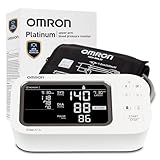
| OMRON Platinum | Premium accuracy and display | $97.19 |
| Blood Pressure Machine 2×199 | Large screen readability | $79.99 |
| OMRON Bronze | Trusted brand, moderate budget | $46.52 |
| Large Cuff Monitor | Bigger arm circumference | $29.99 |
How We Picked
We focused on four criteria: cuff compatibility (size range and ease of fitting, since a poorly sized cuff is the single biggest source of inaccurate readings), measurement features (automatic averaging, irregular heartbeat detection, memory bank size), connectivity or data export (whether readings can travel to an app or log without manual transcription), and verified owner feedback on long-term reliability. We also weighted FDA clearance where available, since it indicates the device met a specific evidentiary standard for accuracy rather than being marketed purely as a wellness gadget.
The 8 Best Blood Pressure Machine in 2026
iHealth Track Smart Upper Arm Blood Pressure Monitor with Wide-Range Cuff
This is the choice for people who want their readings to land in a phone app automatically rather than living on a small LCD screen. The wide-range cuff fits most adult arms without needing a separate size adapter, and the companion app graphs systolic, diastolic, and pulse over time, which is genuinely useful when you’re showing numbers to a doctor. Owners praise the Bluetooth pairing reliability compared to cheaper smart monitors that drop connections. The con is that the app requires a smartphone; if you or the person you’re buying for are not comfortable with apps, the interface advantage disappears. Skip this if you want a standalone device with no setup friction.
Sinocare Blood Pressure Monitor, Upper Arm, Adjustable Arm Cuff 8.6″-16.5″, One-Button Operation, Dual User, Accurate & Practical (Black)
At $16.99, this is the lowest-cost entry that still offers dual-user memory and a reasonably adjustable cuff. The one-button operation is exactly what it promises: press once, get a reading. For someone who just wants a number without navigating menus, this works. Owners note the display is small and the cuff, while adjustable, can feel stiff on first use. The dual-user function is a genuine plus for couples sharing a device. Skip this if you need large text, connectivity, or a cuff that extends beyond 16.5 inches.
Oklar FDA Cleared Blood Pressure Monitor Upper Arm BP Machine for Home Use
The FDA clearance is the headline here. In a category where many budget devices make loose accuracy claims, this one has submitted evidence to a regulatory body. Owners report readings that align well with clinical checks, and the device stores results across multiple user profiles. The cuff fits a standard adult arm range but owners with larger arms note it sits at the upper limit. The trade-off is minimal extra features beyond basic averaging and memory—no Bluetooth, no app. Skip this if you want smart connectivity or a large backlit screen.
OMRON Iron Blood Pressure Monitor & Upper Arm Blood Pressure Cuff
OMRON has been the default recommendation from primary care physicians for years, and the Iron sits in the sensible middle of their lineup. You get validated accuracy, a comfortable pre-formed cuff, and Irregular Heartbeat detection without paying for extras you might not use. Owners highlight the simple two-button interface and consistent readings over months of daily use. The display is smaller than what you’d find on the Platinum, and there’s no wireless data export. Skip this if you want smartphone integration or if you’re in the market for the absolute cheapest option.
OMRON Platinum Blood Pressure Monitor & Upper Arm Blood Pressure Cuff
The Platinum is the premium tier for people who want every measurement feature available. It averages three readings, offers a wide backlit display, includes Bluetooth for app syncing, and carries the same validated accuracy OMRON users expect. Owners call it the easiest unit to read from across a room, which matters for older adults. At $97.19 it is the most expensive on this list by a wide margin. The con is simply the price-to-feature ratio: if you won’t use Bluetooth averaging or the dual-user profiles, you’re paying for capacity you’ll never tap. Skip this if budget is tight.
Blood Pressure Machine, Automatic Upper Arm with 2×199 Readout, 4.5 Inch Backlit Large Screen, Adjustable Large Cuff 9 to 17 Inches, Arrhythmia and Home Hypertension Detector
This unit solves a specific problem: visibility. The 4.5-inch backlit screen is the largest display here, and the 2×199 readout lets two people track nearly 200 readings each without clearing memory. The adjustable large cuff reaching 17 inches covers arms that many standard monitors cannot. Owners with visual impairments or those who struggle with tiny LCDs call this the most readable option. The con is that the brand is less established than OMRON or iHealth, and long-term firmware reliability is harder to assess from early reviews. Skip this if brand pedigree and a large user review base matter to you.
OMRON Bronze Blood Pressure Monitor & Upper Arm Blood Pressure Cuff
The Bronze occupies an awkward but useful middle ground: it carries the OMRON validation and cuff quality at a price below the Iron, though above the generic budget options. Owners report it as a straightforward daily-use device with memory storage and irregular heartbeat alerts. The main criticism in reviews is that the display feels dim compared to backlit alternatives, and the cuff, while well-made, is narrower in its size range than competitors advertising 9-to-17-inch adjustments. Skip this if you want a large or backlit display or if you’re trying to stay under $30.
Blood Pressure Monitor Upper Arm with Large Cuff
This is built for one specific body type: people whose arm circumference exceeds what standard cuffs accommodate. A large-cuff design removes the common frustration of a monitor that simply cannot fit, which is otherwise a dealbreaker. Owners in the larger-arm category consistently note that this is the first device they’ve used where the cuff did not require forcing or a separate extension. The display and memory features are functional but not notable. Skip this if your arm falls within standard sizing, since other options offer more features for a similar price.
Buying Guide
Cuff Size Is the Decision That Matters Most
An incorrectly sized cuff produces falsely high or low readings regardless of how sophisticated the electronics are. Measure your mid-arm circumference before shopping. Most standard cuffs cover 9 to 16 inches; if you are near or above that upper limit, you need a wide-range or specifically large-cuff model. Do not assume “upper arm” means one size fits all.
Averaging and Irregular Heartbeat Detection
A single reading is noisy. Look for devices that take multiple measurements and display an average, since this smooths out the variability that happens with body position or anxiety. Irregular Heartbeat detection is not a diagnostic tool, but it flags arrhythmia patterns worth mentioning to a clinician rather than ignoring until your next appointment.
Data Export and App Connectivity
If you see a doctor monthly and bring a log, Bluetooth syncing to a phone app saves real effort. If you write numbers on paper or your doctor only wants a verbal summary, app connectivity adds setup friction with no benefit. Decide based on how you actually share data with your care team.
Our Verdict
The iHealth Track Smart is our top pick for most buyers because it combines a wide-range cuff, validated accuracy, and effortless data sharing in one package at a fair price. The Sinocare is our budget pick—nothing else under $20 offers dual-user memory and an adjustable cuff at this quality level. The condition under which another product wins: if your arm circumference exceeds 16 inches, the large-cuff Blood Pressure Machine with the 4.5-inch screen becomes the right choice over everything else on this list, since fit overrides feature set.
FAQ
Are cheaper blood pressure machines accurate?
Several budget devices in this roundup use the same oscillometric measurement method as premium models, and FDA clearance or published validation data matters more than price. A cheap unit with a poorly sized cuff will be less accurate than an expensive one with the right cuff, regardless of electronics quality.
How often should I measure my blood pressure at home?
Most clinical guidance recommends two readings in the morning and two in the evening, taken at the same times daily, with one to two minutes between readings. The goal is trend data over one to two weeks rather than chasing a single number.
Do I need a smart blood pressure machine with an app?
Only if you want to share logs with a doctor electronically or track trends over time without writing numbers down. If you read the screen aloud at your appointment, a basic monitor with memory does the same job for less money.
What does FDA clearance mean for a home blood pressure monitor?
It means the manufacturer submitted accuracy data to the FDA and received authorization to market the device for its intended use. It is a stronger signal than vague “clinically validated” claims without specifying the validation body or methodology.
Related Reviews & Guides





7 Best Can Openers for Left-Handers: Top Picks Reviewed and Compared (2026)
3 Best Left Handed Baseball Gloves: Thrower’s Guide