Last Updated: October 8, 2026
What is a cream ale? A cream ale is a pale, light-bodied American ale designed to be exceptionally smooth, clean, crisp, and refreshing, usually with an ABV of about 4.2% to 5.6% and low bitterness of roughly 8 to 20 IBU.
Despite the name, cream ale does not contain cream, milk, or lactose. “Cream” describes its soft texture and polished drinking character. Brewers may ferment it with ale yeast, lager yeast, or a combination of methods, then cold-condition it to create a beer that sits between a traditional ale and a light lager in flavor and drinkability.
As an Amazon Associate we earn from qualifying purchases at no extra cost to you.
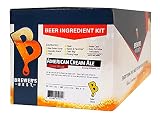


Cream ale style at a glance
| Characteristic | Typical cream ale range | What you can expect |
|---|---|---|
| Color | 2–5 SRM | Very pale gold to light straw |
| ABV | 4.2%–5.6% | Sessionable, moderate-strength beer |
| Bitterness | 8–20 IBU | Low bitterness with a clean finish |
| Body | Light to medium-light | Soft, smooth, and easy-drinking rather than heavy |
| Carbonation | Moderate to moderately high | Lively and refreshing, but not aggressively fizzy |
| Serving temperature | 38–45°F (3–7°C) | Cold enough for refreshment while preserving malt flavor |
How cream ale is brewed
Cream ale is generally built on a simple pale malt foundation. Brewers may add flaked corn, rice, or other light adjuncts to reduce body, lighten the flavor, and increase drinkability. Some versions use only malted barley, while others include small amounts of wheat or dextrin-producing grains for foam stability.
The grain bill is usually restrained. Pale malt supplies a mild cracker, bread, or cereal note, while corn or rice can contribute a subtle sweetness and a very clean finish. Dark roasted grains are not part of the classic profile, and strong caramel flavors are usually avoided.
The fermentation method can vary. A cream ale may be fermented with a relatively neutral ale yeast at cool ale temperatures, often around 60–68°F (16–20°C). Other brewers use a lager yeast at colder temperatures, or ferment with ale yeast before cold-conditioning the beer. This flexibility is one reason cream ale can resemble a lager without technically being one.
Cold conditioning, sometimes called lagering, helps the beer clarify and smooth out. It can also reduce rough fermentation flavors and make the finish feel cleaner. The result should not taste strongly fruity, spicy, or estery.
What does cream ale taste like?
A well-made cream ale is usually mild, clean, and lightly malty. Common flavor impressions include:
- Fresh bread, crackers, or lightly toasted grain
- Subtle corn-like sweetness or a faintly sweet cereal character
- Low levels of honey-like or vanilla-like malt impression
- Very restrained hop flavor, sometimes with light herbal, floral, or citrus notes
- A dry to gently sweet finish with little lingering bitterness
Hop aroma is typically low, although modern interpretations may add more citrus or tropical character. Classic cream ale is not an intensely hop-forward beer. If the aroma is dominated by pine, resin, grapefruit, or tropical fruit, you may be drinking a modern pale ale or another hybrid interpretation rather than a traditional example.
The body should feel smooth but not creamy in the way a milk stout does. It is light enough for warm weather and repeated sipping, with carbonation supplying much of the beer’s liveliness.
Cream ale versus lager
The closest comparison is often a light American lager. Both styles are pale, crisp, moderately carbonated, and relatively low in bitterness. The difference is not always obvious from the glass, because brewing method and yeast choice overlap.
| Feature | Cream ale | Light American lager |
|---|---|---|
| Primary fermentation | Often ale yeast, though lager yeast may also be used | Lager yeast at cooler temperatures |
| Typical flavor | Soft malt, light cereal sweetness, clean finish | Very crisp, delicate malt, highly neutral profile |
| Fruitiness | Usually low, but may be faintly present | Usually extremely low |
| Body | Light to medium-light and sometimes slightly rounder | Light and very crisp |
| Best choice when | You want lager-like refreshment with a little more malt softness | You want the leanest, most neutral option |
A cream ale may have a touch more malt character or a faint ale-like fruit note than a light lager. Conversely, a cream ale fermented and conditioned with lager yeast can be difficult to distinguish from one in a neighboring lager category. The name alone does not tell you exactly which fermentation process was used.
Cream ale versus cream stout
Cream ale and cream stout share the word “cream,” but they are fundamentally different beers. Cream stout is a dark, roasted style that may contain lactose or other ingredients intended to add sweetness and fullness. Cream ale is pale, light-bodied, and normally contains no dairy-derived ingredient.
| Feature | Cream ale | Cream stout |
|---|---|---|
| Color | Straw to pale gold | Deep brown to opaque black |
| Roasted flavor | Absent or nearly absent | Coffee, cocoa, toast, or roasted grain |
| Body | Light and refreshing | Medium to full, often richer and sweeter |
| Bitterness | Usually low hop bitterness | May include hop bitterness plus roast bitterness |
| Milk sugar | Not a defining ingredient | May contain lactose, but not every cream stout does |
| Drinking occasion | Warm-weather refreshment and easy sessions | Slow sipping, dessert pairing, and cooler weather |
How to choose a cream ale
Use the beer’s label, draft description, and appearance to match it to the occasion rather than choosing by the word “cream” alone.
- For hot weather: Choose a pale cream ale around 4.5% to 5.0% ABV with moderate carbonation and a dry finish.
- For a low-bitterness option: Look for bitterness near the lower end of the style, around 8–12 IBU, and a description emphasizing clean malt.
- For a little more flavor: Choose a version with corn, wheat, or a modest noble-hop character rather than the most neutral example.
- For lager drinkers: Seek terms such as “cold-conditioned,” “lagered,” “crisp,” or “clean-fermented.”
- For stout drinkers: Do not expect roast, coffee, chocolate, or a thick body. Choose a cream stout instead if those are the flavors you want.
- For a session: An ABV between 4.2% and 5.0% is usually easier to manage than a stronger specialty version.
Common cream ale flaws
The style is simple, but simplicity makes mistakes noticeable. Excessive fruity aroma, solvent-like alcohol, buttery popcorn notes, harsh graininess, or a heavy syrupy body can indicate fermentation or recipe problems.
Oxidation may produce a stale, papery, or honey-like flavor, especially in an older pale beer. Very low carbonation can make cream ale taste flat and overly sweet, while excessive carbonation can hide its mild malt character and create a sharp, prickly finish. Haze is not automatically a flaw, but classic versions are often bright or lightly hazy rather than densely opaque.
Serving temperature also matters. At refrigerator temperature, around 35°F (2°C), subtle malt flavors may seem muted. Allowing the beer to warm a few degrees in the glass can reveal more cereal and bread character without making it feel warm.
Bottom line
Cream ale is a pale American beer that combines the clean refreshment of a lager with the flexible brewing approach of an ale. Expect a straw-to-gold color, light body, gentle malt sweetness, low bitterness, lively carbonation, and approximately 4.2% to 5.6% ABV. Choose it when you want an easy-drinking beer with more softness and malt presence than a very light lager, but without the roast, sweetness, or fullness of a cream stout.
Related Reviews & Guides



Best Electric Buffet Servers for Entertaining

Best Tapas Serving Sets for Spanish-Style Dining