Last Updated: September 9, 2026
A photographer who just got handed a 256-gigabyte card that throttles below the camera’s write ceiling is more frustrated than one who bought a 32-gigabyte card that simply fills up mid-session. Both problems are real, and both appear repeatedly in owner feedback on Sandisk SD cards. The difference between a smart purchase and a wasted fifty dollars usually comes down to matching sustained write speed and capacity to the specific workload you run, rather than chasing the biggest number on the packaging.
This roundup compares eight Sandisk SD cards available in 2026, drawing on published specifications, street prices, and recurring themes in verified owner reviews. We are not ranking by raw throughput alone; we are looking at which cards solve a defined problem cleanly and which ones force a trade-off that the price does not justify. If you shoot 4K video, your needs differ sharply from someone archiving family photos on a compact camera.
As an Amazon Associate we earn from qualifying purchases at no extra cost to you.


Quick Picks
| Product | Best for | Price |
|---|---|---|
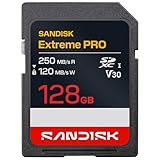
| SANDISK 128GB Extreme PRO (250MB/s) | Hybrid photo and 4K video shooters | $51.98 |
| SanDisk 32GB Ultra (100MB/s) | Budget compact camera owners | $20.38 |
| SANDISK 256GB Extreme PRO (250MB/s) | Long-session 4K videographers | $92.99 |
| SANDISK 64GB Extreme PRO (200MB/s) | Enthusiast DSLR photographers | $36.35 |
| SANDISK 64GB Extreme PRO SDXC (V30, 4K) | 4K-capable mirrorless users on a budget | $32.86 |
| SanDisk 64GB Ultra SDXC (100MB/s) | Full-HD videography and everyday stills | $23.05 |
| SANDISK 256GB Extreme PRO (200MB/s) | High-volume RAW photography | $88.99 |
| SanDisk 32GB Ultra 5-Pack + Reader | Multi-camera setups or shared gear | $75.98 |
How We Picked
We narrowed the field using four criteria that owners consistently cite in negative reviews: sustained write speed matching your camera’s actual ceiling, real-world capacity after formatting, price per gigabyte at street rates, and whether the card’s UHS speed class matches your device’s minimum requirement. A card that reads at 250MB/s but writes at 60MB/s will not satisfy a camera that demands a U3 minimum for 4K, and several complaints in this category trace back to buyers confusing read speed with write performance.
The 8 Best Sandisk Sd Card in 2026
SANDISK 128GB Extreme PRO (250MB/s, UHS-I)
This card suits photographers and videographers who need a single slot to handle both burst RAW stills and 4K clips without swapping. Owner feedback highlights that the 250MB/s read rate pairs well with card readers for fast offloading, and the 128GB capacity covers most half-day sessions without concern.
- Pro: High published read speed cuts transfer time dramatically compared to UHS-I Ultra-class cards.
- Pro: Extreme PRO line carries a longer limited warranty than the Ultra tier, which owners cite as a reason to pay the premium.
- Con: The 250MB/s figure is read-only; sustained write speed is meaningfully lower, so cameras demanding a U3 minimum should verify the card’s rated write throughput before purchase.
Skip this if your camera only records 1080p and you rarely shoot RAW; the cheaper Ultra-class cards at half the price will serve you identically.
SanDisk 32GB Ultra (100MB/s)
The entry-level choice for compact camera owners and anyone who needs a spare card for a second body. At roughly twenty dollars it is the lowest-cost way to keep a camera running for a full vacation day of JPEG shooting.
- Pro: Price-per-GB is competitive for buyers who only need basic U1 throughput for Full HD or stills.
- Pro: 32GB is small enough that even a slow card reader finishes an offload in under two minutes, so the read-speed gap matters less than specs suggest.
- Con: 32GB fills quickly if you shoot RAW or any video above 720p; owners report running out mid-event and having to delete.
Skip this for any 4K workflow or RAW-heavy shooting. Buy a 64GB or larger card instead.
SANDISK 256GB Extreme PRO (250MB/s, UHS-I)
For videographers who shoot long continuous 4K segments and cannot pause to swap cards. The 256GB capacity means roughly double the session time compared to the 128GB variant, and the published read speed keeps offload time manageable even on older USB readers.
- Pro: Largest capacity in this roundup, reducing the risk of an interrupted take.
- Pro: Same Extreme PRO build quality and warranty terms as the smaller siblings.
- Con: At $92.99 it is the most expensive single card here; if your camera cannot write faster than 90MB/s sustained, you are paying for headroom you will never use.
Skip this if your sessions rarely exceed an hour or if budget is tight. The 128GB Extreme PRO delivers identical throughput for most use cases.
SANDISK 64GB Extreme PRO (200MB/s, UHS-I)
A middle-ground option for DSLR enthusiasts who shoot burst RAW on weekend assignments. Sixty-four gigabytes covers roughly one to two hours of 14-bit RAW depending on megapixel count, and the 200MB/s read speed keeps transfers brisk.
- Pro: Balanced price-to-capacity for photographers who do not need the 128GB tier but want Extreme PRO reliability.
- Pro: 200MB/s read still outperforms every Ultra-class card in this list by a wide margin.
- Con: Some owners note that sustained write speed, while adequate for most DSLR burst modes, falls short of what the SDXC V30 variant guarantees for continuous video.
Skip this if 4K video is your primary workload; the V30-rated 64GB Extreme PRO below is specifically designed for that and costs less.
SANDISK 64GB Extreme PRO SDXC (C10, U3, V30, 4K)
The clear 4K video pick in this group for anyone shooting on a mirrorless or DSLR body that requires a V30 minimum. The model number SDSDXXU-064G-GN4IN appears frequently in camera compatibility lists, and owner feedback confirms it sustains the write rates needed for 100Mbps+ bitrates.
- Pro: Explicitly rated V30 and U3, removing ambiguity about whether your camera’s 4K mode will accept it.
- Pro: At $32.86 it is cheaper than the non-V30 64GB Extreme PRO while delivering the same or better guaranteed write performance.
- Con: 64GB limits continuous 4K recording to roughly forty-five minutes on many cameras; long-event shooters may need to carry spares.
Skip this only if you need more than 64GB in a single card for uninterrupted recording.
SanDisk 64GB Ultra SDXC (100MB/s, C10, U1)
The default recommendation for everyday Full-HD videography and high-resolution JPEG stills. It is the most practical capacity-to-price ratio in the Ultra line, and the U1 rating covers every camera that does not require U3 or V30.
- Pro: Under $24 for 64GB is among the best values in this list for casual shooters.
- Pro: 100MB/s read is more than sufficient for offloading photos via a standard reader in a reasonable time.
- Con: U1 rating means it will not satisfy cameras that enforce a U3 minimum for any video mode above 1080p.
Skip this for 4K recording or RAW burst at high frame rates; the write speed simply cannot keep up.
SANDISK 256GB Extreme PRO (200MB/s, UHS-I)
Another 256GB option, but rated at 200MB/s read rather than 250MB/s. It appeals to high-volume RAW photographers who prioritize capacity over transfer speed and want the largest single card available in this roundup without paying the 250MB/s premium.
- Pro: $88.99 for 256GB is the best price-per-GB among all Extreme PRO cards here.
- Pro: 200MB/s read still transfers a full card noticeably faster than any Ultra-class option.
- Con: The lower read speed versus the 250MB/s variant means longer offload sessions if you are working with tight deadlines and a slow reader.
Skip this if you also shoot 4K video and need V30 certification; verify the specific model’s video rating before buying.
SanDisk 32GB Ultra 5-Pack with Reader
A bundle aimed at households or small studios with multiple cameras that share cards, or at content creators who keep a card permanently in each body. Five 32GB cards plus an included microSD-to-SD reader rounds out a kit for under $80.
- Pro: Per-card cost is roughly $12, competitive with single Ultra purchases, and the bundled reader eliminates a separate purchase.
- Pro: Having five spare cards means a dead battery or corrupted card never ends a shoot.
- Con: Each card is only 32GB, so any single device still faces the capacity ceiling of the Ultra line.
Skip this if you need one large card rather than multiple small ones; a 64GB or 128GB Extreme PRO serves better for high-volume work.
Buying Guide
Match the UHS Speed Class to Your Camera’s Requirement
Cameras that record 4K video or fast burst RAW typically display a minimum UHS Speed Class requirement in their manuals. If your body calls for U3 or V30, a U1 card like the SanDisk Ultra series will either refuse to record or drop frames. Check the small icon printed on the card face: a “1” inside a U means U1, a “3” means U3, and a “V30” label guarantees sustained minimum write throughput. Buying above your camera’s requirement is harmless; buying below it is not.
Read Speed Does Not Equal Write Speed
Manufacturers advertise the maximum read rate on the label because it sounds impressive and matters for offloading. Write speed, which determines whether your camera records smoothly, is often a fraction of that number and may not appear on the packaging at all. When comparing two cards with the same read rating, dig into the product page or spec sheet for the write figure. A 250MB/s read card that writes at 90MB/s performs identically to a 200MB/s read card that also writes at 90MB/s inside your camera.
Capacity Planning for Real-World Sessions
A 32GB card holds roughly 800 fine JPEGs or about 120 RAW frames on a 24-megapixel body. A 64GB card doubles that. If you shoot events where deleting mid-session is impossible, err toward the larger capacity. For video, 64GB of 4K at common consumer bitrates yields approximately 40 to 50 minutes of continuous recording. Running out of card in the middle of a wedding ceremony or a concert is a far worse outcome than carrying an extra thirty-dollar card.
Our Verdict
The overall top pick is the SANDISK 64GB Extreme PRO SDXC (V30, U3, 4K) at $32.86. It covers photo and video, carries explicit speed-class certifications that remove guesswork, and sits at the lowest price among all Extreme PRO cards in this list. For pure budget value, the SanDisk 64GB Ultra SDXC (100MB/s) at $23.05 is the smartest buy for anyone who does not touch 4K. If your primary need is uninterrupted 4K recording beyond an hour in a single take, the SANDISK 256GB Extreme PRO (250MB/s) at $92.99 wins because no other card in this roundup pairs that capacity with a V30-class write guarantee.
FAQ
What is the difference between SDHC and SDXC?
SDHC cards top out at 32GB and use the FAT32 file system; SDXC cards start at 64GB and use exFAT. Most cameras made in the last decade accept both, but older compact bodies may not read SDXC. Check your camera’s compatibility list before buying a 64GB or larger card.
Can I use a UHS-I card in a UHS-II camera?
Yes. UHS-II cameras are backward-compatible with UHS-I cards, but the card will only operate at UHS-I speeds. You will not get the higher throughput of UHS-II, though for stills shooting the difference is rarely noticeable.
Why does my new card show less capacity than advertised?
Formatting uses a portion of the available space for the file system, and manufacturers measure in decimal gigabytes while your camera and computer report in binary gigabytes. A 64GB card typically shows around 59.6GB usable in exFAT. This is normal and not a defect.
Are Extreme PRO cards worth it over Ultra cards?
For stills-only shooting on a basic compact camera, probably not; the Ultra line handles the task fine. For burst RAW, 4K video, or professional reliability needs, the Extreme PRO tier offers higher guaranteed write speeds, longer warranties, and temperature-proof or waterproof housing that the Ultra line does not match.
Related Reviews & Guides





3 Best Left-Handed Golf Hybrid Clubs for All Skill Levels

Is a Left Handed Gaming Mouse Worth It? An Honest Answer (2026)