Last Updated: October 8, 2026
Anyone who has crawled under a desk to trace a mystery cord knows the value of a good cable label. Labeling cords turns a tangled mess into an organized, troubleshoot-friendly setup, and 2026 offers everything from self-laminating wraps to printable flags and reusable ties. This guide compares the best cable labels for cords and shows you how to pick the right type for home, office, or server environments.
As an Amazon Associate I earn from qualifying purchases.



How We Selected the Best Cable Labels for Cords
We compared adhesive durability, readability, wrap-around fit, reusability, and how well each cable label survives handling and heat behind equipment. The best options stay put on curved surfaces, resist peeling, and keep text legible for years. Below is a quick comparison of our top cable labeling picks.
| Product | Best For | Standout Feature | Rating |
|---|---|---|---|
| Brother TZe-FX Flexible ID Tape | Label-maker users | Self-flagging wrap design | 4.8/5 |
| Avery Self-Laminating Wraps | Printable durability | Clear protective overlay | 4.7/5 |
| VELCRO Reusable Cable Ties | Frequently changed cords | Write-on reusable tabs | 4.6/5 |
| Wrap-Around Cord ID Tags | Quick color coding | No-print instant tagging | 4.4/5 |
| Nylon Cable Marker Tags | Server racks | Heat-resistant durability | 4.5/5 |
Types of Cable Labels for Cords Explained
Cable labels fall into a few categories. Self-laminating labels wrap around a cord so a clear tail seals over the printed text, protecting it from wear. Flag-style labels stick out like a little tab, offering maximum readability. Reusable tie labels combine cable management with identification, and slip-on markers thread onto cords before connectors are attached. Choosing among them depends on how often you rearrange your setup. Our guide to home office cable management basics pairs perfectly with any of these labels.
For anyone who owns a label maker, flexible ID tape is the gold standard because it is engineered to wrap curves without the ends lifting. Printable sheets work well if you want to batch-produce many labels from a computer. For temporary or frequently changed connections, reusable write-on ties save waste. Our overview of flexible ID tape versus wrap-around labels explains when each shines.
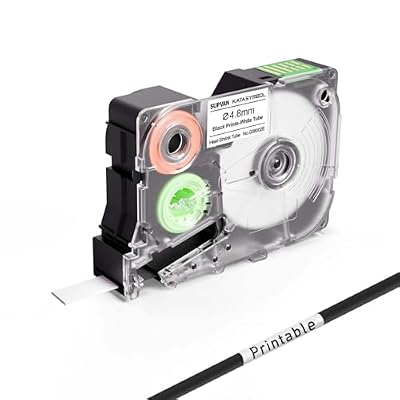
Brother TZe-FX Flexible ID Tape — Best for Label Makers
Brother’s flexible ID tape is designed specifically for cables, wrapping around cords and self-laminating into a durable flag that resists peeling. It pairs with P-touch machines for crisp, permanent text. Pros: purpose-built for cords, laminated durability, professional look. Cons: it requires a compatible label maker and costs more per foot than standard tape, so it is best reserved for cable jobs rather than general labeling.
Avery Self-Laminating Wraps — Best Printable Option
These printable wraps let you design labels on your computer, then wrap a clear laminating tail over the text for protection. They are ideal for batch labeling many cords at once. Pros: durable clear overlay, computer-printable, professional. Cons: applying the laminate correctly takes a little practice, and you need a printer, so they are less convenient for a quick single-cable fix than a peel-and-stick tag.
VELCRO Reusable Cable Ties — Best for Changing Setups
These hook-and-loop ties bundle and label cords at once, with a write-on tab you can update as your setup changes. They are perfect for gear that gets rearranged often. Pros: reusable, combines management and ID, no adhesive residue. Cons: the write-on area is small, so labels stay brief, and the handwritten text is less permanent and polished than printed laminated tape.
Wrap-Around Cord ID Tags — Best for Quick Color Coding
These preprinted or colored wrap tags snap around cords instantly for fast visual sorting, no printer or label maker needed. They are great for quickly distinguishing chargers and cables. Pros: instant, no equipment required, colorful. Cons: customization is limited to what is preprinted, so they suit color coding better than detailed labeling, and text options are minimal compared with a proper label maker.
Nylon Cable Marker Tags — Best for Server Racks
Built for demanding environments, nylon marker tags withstand heat and handling in server rooms and network closets. They thread onto cables and hold clear, durable markings. Pros: heat-resistant, rugged, industrial-grade. Cons: they are overkill for a home desk and often require threading before connectors are attached, so retrofitting existing cable runs can be more involved than a wrap-around label.
Slip-On Wire Markers — Best for New Installations
Slip-on markers are tubular sleeves that thread onto wires before termination, giving a permanent, tamper-resistant ID. Electricians and installers rely on them. Pros: permanent, professional, extremely durable. Cons: they must be installed before the connector, making them impractical for already-wired setups, and they are more specialized than most home users need for everyday cord labeling.
Best Practices for Labeling Cords
Label both ends of every cord so you can trace connections from either side without unplugging anything. Keep text short and consistent, using a clear naming scheme like device names or port numbers. Clean the cable surface before applying adhesive labels so they bond firmly. For a complete system, our step-by-step cable labeling walkthrough shows how to map an entire desk, while our guide to durable label tape for cables helps you choose the right cartridge. If you are building a media center, our entertainment center wiring tips tie it all together.
Frequently Asked Questions
What is the best type of cable label for cords?
For most people, self-laminating labels or flexible ID tape from a label maker offer the best mix of durability and readability, since the clear overlay protects text from wear. For setups that change often, reusable write-on ties are more practical. The best choice depends on how permanent you need the labels and whether you own a label maker.
Can I use regular labels to mark my cords?
You can, but regular flat labels tend to peel off curved cords over time because the adhesive cannot grip a round surface well. Labels designed for cables, such as flexible ID tape or self-laminating wraps, are engineered to conform to curves and stay attached, making them far more reliable for long-term cord identification.
Should I label both ends of a cable?
Yes, labeling both ends is strongly recommended because it lets you trace a connection from either device without unplugging or crawling under a desk to follow the cord. This simple habit dramatically speeds up troubleshooting and rearranging, especially in setups with many similar-looking cables like chargers, HDMI cords, and network cables.
Are reusable cable labels as durable as permanent ones?
Reusable labels like write-on VELCRO ties prioritize flexibility over permanence, so their handwritten text and repositionable design are less durable than laminated printed labels. They are ideal for gear you rearrange often. For fixed installations that rarely change, permanent laminated labels or slip-on markers provide better long-term durability and a cleaner, more professional appearance.
Related Reviews & Guides




6 Best Left-Handed Guitar Fenders 2026

6 Best Left Handed Mice For Computer 2026