Last Updated: October 8, 2026
- Top Pick: Cuisinart Bread Maker Machine, Stainless Steel, 12 Programs, Up to 2 lbs
- Best Value: KITCHENARM 29-in-1 SMART Bread Machine with Gluten Free Setting 2LB 1.5LB 1LB Bread Maker Machine with Homemade Cycle – Stainless Steel Breadmaker with Recipes Whole Wheat Bread Making Machine
- Premium Choice: Amazon Basics Programmable Bread Maker, 2 Pound Non-Stick Automatic Bread Making Machine, 14 Settings for Breads, Doughs, Gluten-Free Options, ExpressBake, LCD Display, Black
Best bread machines: quick picks by baking routine
The best bread machine for most households is a two-pound model with a reliable basic cycle, a timer, and a removable pan; choose a compact one-pound machine for limited counter space, or a programmable model if you regularly bake whole-grain, gluten-free, or dough-only recipes. The right choice depends less on the number of preset programs than on the loaf size you’ll finish, how well the machine kneads dense dough, and where it will live between bakes.
These established models cover different needs: the Zojirushi Home Bakery Virtuoso Plus for frequent, larger loaves; the Breville Custom Loaf Bread Maker for flexibility and custom settings; the Cuisinart Compact Automatic Bread Maker for smaller kitchens; and the Hamilton Beach HomeBaker for a lower-cost entry point. Specifications can vary by model version and market, so confirm the exact unit before buying.
As an Amazon Associate we earn from qualifying purchases at no extra cost to you.

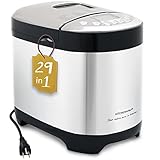


Compare the machines that suit different kitchens
| Machine | Maximum loaf | Approx. footprint (W × D × H) | Approx. weight | Useful fit |
|---|---|---|---|---|
| Zojirushi Home Bakery Virtuoso Plus (BB-PDC20) | 2 lb | 18 × 10.5 × 13 in | 24 lb | Frequent baking and larger loaves |
| Breville Custom Loaf Bread Maker (BBM800) | 2.5 lb | 16.5 × 10.5 × 13.5 in | 16 lb | More loaf-size options and custom programs |
| Cuisinart Compact Automatic Bread Maker (CBK-110) | 2 lb | 10.25 × 13.25 × 11.25 in | 10.8 lb | Smaller counter or cupboard footprint |
| Hamilton Beach HomeBaker (29882) | 2 lb | 10.5 × 14.1 × 12.2 in | 12 lb | Straightforward everyday baking on a budget |
Dimensions and weights are approximate manufacturer-listed figures; check the current specification for the precise model and regional version. Allow extra clearance above the lid and around vents.
Best for frequent, dependable loaves: Zojirushi Virtuoso Plus
This is a strong fit if you bake several times a week and want a dedicated machine rather than the smallest possible appliance. Its horizontal pan makes a conventional-looking loaf, and its two kneading blades help work dough across the pan. The machine offers cycles for common bread types, including whole-wheat and gluten-free, plus a dough setting. Its larger body and weight are the trade-off: measure a permanent counter spot before committing.
Best for recipe flexibility: Breville Custom Loaf
The Breville offers several loaf sizes, a broad selection of programs, and a custom cycle for adjusting stages such as kneading and rising. That flexibility is useful for experienced bakers adapting recipes or households that alternate between small and large loaves. It also takes up substantial counter space, and more controls do not automatically improve a recipe: flour type, hydration, and yeast still need to match the selected cycle.
Best for a smaller kitchen: Cuisinart Compact
The Cuisinart’s narrower footprint is easier to accommodate than many full-size machines, while still offering a two-pound maximum loaf and several bread and dough programs. Its vertical loaf shape differs from a standard pan loaf, and the compact design does not mean it is pocket-sized. Check the lid-opening height under cabinets, not just the listed machine height.
Best for a lower-cost start: Hamilton Beach HomeBaker
The HomeBaker keeps the basics accessible: common bread cycles, dough preparation, and a two-pound capacity. It suits occasional bakers who do not need extensive recipe customization. Compared with premium machines, expect fewer specialized controls and less scope for tuning a cycle to an unusual dough. For standard white or basic whole-wheat recipes, simple controls can be an advantage rather than a limitation.
Choose by the loaf you actually eat
| Your routine | What matters most | Shortlist |
|---|---|---|
| One or two people; baking occasionally | Smaller minimum loaf, easy storage, simple controls | Cuisinart Compact or another compact model with a small-loaf setting |
| Family loaf several times a week | Two-pound capacity, consistent kneading, durable pan | Zojirushi Virtuoso Plus |
| Experimenting with recipes and sizes | Custom cycle, multiple loaf sizes, dough-only program | Breville Custom Loaf |
| First machine; mostly basic loaves | Clear presets, modest purchase cost, straightforward cleanup | Hamilton Beach HomeBaker |
A maximum two-pound rating does not tell you whether a machine can make a satisfying small loaf. Look for a stated smaller size setting, and check the recipe booklet for minimum ingredient quantities. Oversized recipes can overflow; very small batches may not reach the kneading blade consistently.
Kneading, programs, and cleanup: what to inspect
Kneading performance: Dense dough places more demand on the motor and blade than a light white loaf. Two blades can help distribute kneading in a wide pan, but the recipe and machine design matter together. When making whole-grain dough, use the machine’s recommended recipe or begin with a moderate batch; adding extra flour to a dough that looks sticky too early can leave the loaf dry.
Programs: Basic, whole-wheat, rapid, dough, and delayed-start cycles cover many routines. Gluten-free settings can help control mixing and rise stages, but results depend on the recipe and ingredients. A jam or cake program is worthwhile only if you expect to use it. A dough cycle is particularly useful: let the machine mix and knead, then shape and bake in a conventional oven for more control over crust and loaf shape.
Cleanup: Most household machines use a coated, removable bread pan and a kneading blade. Let the pan cool, add warm water to loosen stuck dough, and wash it gently by hand unless the manufacturer explicitly says otherwise. Avoid metal utensils and abrasive scrubbers, which can damage the coating. Check whether replacement pans and blades are available before purchase; these are the parts most directly exposed to wear and stuck-on residue.
Footprint and noise: Measure the counter space with the lid open, then check the manual’s ventilation clearances. Bread machines are heavy enough that a large unit may be inconvenient to lift from a high shelf. Kneading and add-in alerts can be noisy, so consider where the machine will run if you use a delayed timer overnight.
Set up the first bake for fewer surprises
Confirm the pan and blade are seated. A loose pan can rattle or fail to engage properly.
Add ingredients in the order specified by the manual. Many recipes keep yeast separate from liquid at the start, but manufacturers differ; follow the instructions for your machine.
Use a tested recipe and the matching loaf-size setting. Bread-machine recipes are calibrated to a pan and cycle, so converting a large oven recipe by guesswork can cause poor kneading or overflow.
Check the dough early in the first kneading phase. It should gather into a soft, cohesive ball. If it is visibly dry and crumbly, add liquid a teaspoon at a time; if it pools and smears, add flour gradually. Make small corrections rather than changing several ingredients at once.
Remove the loaf promptly when the cycle ends. Cooling it on a rack limits condensation and helps prevent a damp crust. Remove the kneading blade after cooling if it remains in the loaf.
Bottom line
Choose the Zojirushi Virtuoso Plus for frequent baking and sturdy everyday use, the Breville Custom Loaf when recipe control is a priority, the Cuisinart Compact when counter space is tight, or the Hamilton Beach HomeBaker for basic cycles at a lower general market price. Before ordering, compare the machine’s actual dimensions, minimum loaf size, replacement-part availability, and the programs you will use—not just the headline maximum capacity.
Related Reviews & Guides
Zucchini Bar Recipe: Moist, Easy, and Frosted
Best Range Hoods for Kitchen Ventilation