Last Updated: September 18, 2026
Choosing between a vertical vs horizontal left handed gaming mouse is less about appearance than about how your wrist, desk, and games interact. A vertical design keeps your hand in a more upright “handshake” position, while a horizontal left-handed gaming mouse keeps the familiar low profile used for fast aiming, scrolling, and button access.
The real decision for your home is whether reducing wrist rotation matters more than having a compact, familiar controller. A vertical mouse may feel better during long work sessions, but a horizontal model usually gives gamers quicker access to precise movement, side buttons, and low-latency controls. Room size, shared computers, children and pets, and your mix of gaming and everyday work all matter as much as ergonomics.
As an Amazon Associate we earn from qualifying purchases at no extra cost to you. Product prices and availability are accurate as of the date shown and are subject to change.


Quick Verdict
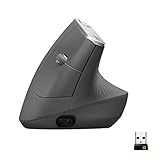
Choose a vertical mouse if your priority is reducing forearm rotation during browsing, office work, and extended computer use. Its raised body can make the wrist feel more neutral, especially for people who dislike resting the palm flat on a desk. However, true left-handed vertical gaming mice are uncommon, and many popular ergonomic vertical mice—including the Logitech MX Vertical Wireless Mouse Ergonomic Design – Graphite, listed at $77.95, and the Logitech Lift Vertical Ergonomic Wireless Mouse – Graphite, listed at $64.49—are designed for the right hand. Always confirm the product’s handedness before buying.
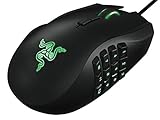
Choose a horizontal left-handed gaming mouse if you play competitive games, need a lower lift-off motion, or want a mouse that behaves like a conventional gaming model. Horizontal designs are generally easier to find in left-handed configurations and tend to offer better access to multiple buttons, higher polling rates, and adjustable sensitivity.
Side by Side
| Factor | Vertical mouse | Horizontal left-handed gaming mouse |
|---|---|---|
| Comfort | Reduces inward forearm rotation; useful for long desktop sessions | Familiar palm position; comfort depends on grip and mouse shape |
| Gaming control | Can feel slower or less precise for rapid aiming | Usually better for tracking, flicks, and quick button presses |
| Left-hand availability | Limited; many vertical models are right-handed | More choices, including ambidextrous and dedicated left-handed models |
| Durability | Often fewer gaming-specific controls; switch quality varies by model | Gaming switches and cables may be rated for frequent clicking, but ratings vary |
| Price range | About $45–$130 for wireless ergonomic models | About $30–$160, depending on sensor, switches, and wireless features |
| Maintenance | Wipe the tall shell and clean the sensor; crevices can collect dust | Clean the sensor, feet, scroll wheel, and side-button gaps |
| Space needed | Typically 4–5 inches long and 2.5–3.5 inches wide | Typically 4.5–5.2 inches long and 2.3–3 inches wide, plus hand room |
| Look | Office-oriented, sculptural, and less visually aggressive | More familiar gaming styling, sometimes with lighting and angular panels |
| Resale | Can appeal to ergonomic-work buyers, but left-handed demand is narrower | Gaming features can help resale, although niche left-handed shapes limit buyers |
| Best for | Work, browsing, creative tasks, and moderate casual gaming | Competitive gaming, mixed gaming and work, and left-handed precision control |
Where Vertical Wins
The strongest argument for a vertical mouse is wrist and forearm posture. Instead of rotating the palm toward the desk, your hand rests more on its side. This does not guarantee pain relief, but it can reduce the feeling of twisting that some users notice after hours of mousing. For a home office, that distinction can matter more than a few milliseconds of gaming performance.
Vertical designs also encourage a relaxed grip. The thumb typically rests on one side while the fingers curve around the opposite side, which may reduce the temptation to pinch the mouse. A medium vertical model commonly measures roughly 4.2–4.8 inches long, 2.7–3.2 inches wide, and 2.7–3.2 inches tall. Expect a weight of approximately 100–140 grams, though individual models vary. That added height and weight can make the mouse feel planted, but it also makes quick repositioning less natural.
For everyday home use, vertical mice are particularly practical when the computer is used for email, documents, spreadsheets, web browsing, and video calls. They are also a good match for users who prefer a clean, understated desk instead of RGB lighting and aggressive gaming shapes. Wireless models generally use very little power; battery life is usually measured in weeks or months rather than hours, depending on the battery and connection mode.
There is an important limitation for left-handed buyers: “vertical” does not automatically mean ambidextrous. The MX Vertical and Lift examples above are useful reference points for size, pricing, and the ergonomic category, but their hand-specific designs do not solve the left-handed requirement. A left-handed buyer should look for a clearly labeled left-hand version rather than assuming the mouse can simply be flipped.
Where Horizontal Left Handed Gaming Mouse Wins
A horizontal left-handed gaming mouse is the safer choice when games are central to the purchase. Its low, familiar profile lets you move from the wrist and forearm with less adjustment. This is valuable in first-person shooters, real-time strategy games, and any title that requires repeated repositioning. Many gaming models also provide adjustable sensitivity, commonly from around 800 to 26,000 dots per inch, although the maximum number is less important than sensor consistency and usable low settings.
Horizontal models usually provide more obvious access to gaming controls. Two thumb buttons are common, while specialized models may offer six or more programmable buttons. Dedicated left-handed versions place those controls where the left thumb can reach them, avoiding the awkward reverse layout of a right-handed mouse. An ambidextrous mouse can be a compromise, but symmetrical shapes sometimes provide less palm support.
They are also easier to fit into a small setup. A typical gaming mouse is about 4.5–5.2 inches long, 2.3–3 inches wide, and 1.4–1.7 inches tall. That lower profile leaves more room under a monitor shelf or beside a keyboard. On a compact desk, those inches can determine whether you can use a large mousepad without pushing the keyboard toward the edge.
Trackball options deserve consideration if desk space is especially limited. The ELECOM EX-G Left Handed Thumb Control Trackball Mouse Wireless M-XT4DRBK-G, priced at $39.99, and the ELECOM EX-G Left Handed Trackball Mouse with 2.4 GHz USB wireless, six programmable buttons, and tilt scroll, also priced at $39.99, represent this alternative category. A trackball stays mostly in place, so it needs less open surface than either a vertical or conventional horizontal mouse. It does, however, require a short adjustment period and is not the preferred control style for every game.
Cost Over 5 Years
Purchase price is only part of the ownership cost. A basic horizontal left-handed mouse may cost $30–$60, while a feature-rich wireless gaming model can range from $80–$160. Vertical ergonomic mice commonly fall between $45 and $130. Using a single $60 mouse for five years works out to $1 per month before batteries, replacement feet, or repairs. A $120 model costs $2 per month over the same period.
At the lower end, either of the $39.99 ELECOM trackball examples costs about $0.67 per month when spread across 60 months. The $64.49 Logitech Lift works out to about $1.07 per month, and the $77.95 MX Vertical is about $1.30 per month. These are simple purchase-price calculations, not guarantees of service life.
Wireless batteries can add a small recurring cost if the mouse uses replaceable cells. Rechargeable models may eventually need a battery replacement or replacement mouse. Gaming feet and switches can also wear sooner with heavy use. To protect the five-year value, choose a mouse with a return policy, a comfortable shape, and replacement feet that are reasonably easy to find. A mouse that is used every day but abandoned after three months is more expensive than a modest model that remains comfortable.
Which One for Your Home
Small apartment
Pick a horizontal left-handed gaming mouse if desk depth is limited or the computer doubles as an entertainment station. Its lower profile and faster repositioning make it easier to share a compact surface with a keyboard, laptop, speakers, or a notebook. Choose a trackball if you have almost no open desk area.
Family with kids or pets
A sturdy, uncomplicated horizontal model is usually easier to replace and less concerning if it gets knocked off a desk. Avoid paying extra for lighting unless you genuinely want it, and favor a body that can be wiped clean. A vertical shell may be comfortable, but its taller shape is more vulnerable to being tipped during crowded family use.
Rental
Wireless operation helps keep cables from crossing a temporary desk, but protect the USB receiver and store it in the mouse when possible. A $40–$80 model is a sensible rental setup: enough to provide dependable comfort without making a move or accidental damage especially costly. Renters who work long hours should prioritize shape over decorative features.
Long-term home
Buy for your dominant use over the next several years. If work and browsing account for most computer time, a properly fitted left-handed vertical mouse can be worthwhile. If gaming is the main activity, choose the horizontal left-handed model and invest in a good-sized mousepad, since consistent surface space often improves comfort more than an unusual mouse shape.
FAQ
Is a vertical mouse better for left-handed users?
Not automatically. Vertical ergonomics can reduce forearm rotation, but many vertical mice are molded for the right hand. Look for a dedicated left-handed model or a genuinely ambidextrous design, and verify the button layout before ordering.
Can you game effectively with a vertical mouse?
Yes, particularly for slower-paced games, strategy titles, and casual play. Competitive shooters and fast action games usually feel more natural on a horizontal left-handed gaming mouse because it supports rapid tracking and repositioning.
Are left-handed gaming mice more expensive?
They can be, because the market is smaller, but prices overlap widely. Basic options may cost $30–$60, while wireless or highly programmable models can reach $100–$160. Price alone does not indicate comfort or sensor quality.
How do I choose the right size?
Measure from the base of your palm to the tip of your middle finger. A mouse around 4.5–5.2 inches long suits many medium-to-large hands, while smaller hands may prefer a shorter body. Your fingers should reach the main buttons without stretching, and your wrist should remain relaxed rather than sharply bent.
Ready to decide? Our #1 pick for 2026 is the Comfort.
Live price & availability on Amazon.
Related Reviews & Guides


5 Best Left Handed Corkscrews & Wine Opener

Quick Picks: Left-Handed Calligraphy Pen Sets