Last Updated: September 12, 2026
- Where the Belief Comes From
- What the Research Actually Shows
- The Adaptation Factor
- The Mixed-Handedness Wrinkle
- Why Stereotypes About Handedness Persist
- Famous Left-Handers: Inspiring but Inconclusive
- How to Nurture Your Creative Strengths as a Lefty
- Creativity Is a Skill, Not Just a Trait
- Top-Rated Picks
- Frequently Asked Questions
- Conclusion
- Related Articles
⚡ Key Takeaways
- The idea took hold partly because of the brain.
- Studies on left-handedness and creativity have produced mixed results, which is important to acknowledge.
- Left-handers grow up constantly adapting to a world built for right-handers.
- Some studies suggest these individuals show the strongest performance on divergent-thinking tasks.
The link between left-handedness and creativity is one of the most enduring beliefs about southpaws. Walk into any conversation about handedness and someone will mention a famous left-handed artist or musician. But is there real substance behind the stereotype? The question of whether are left-handers more creative deserves an honest, evidence-based answer rather than a feel-good myth. This guide examines what science actually says, where the belief comes from, and how lefties can nurture their creative strengths.
🛒 Best Price Today on Amazon
Prime members get fast, free shipping on everything above, plus member-only deals. New members get a 30-day free trial — cancel anytime.
Where the Belief Comes From
The idea took hold partly because of the brain. Handedness is tied to how the two hemispheres of the brain divide their work, and the right hemisphere has long been popularly associated with creativity, intuition, and imagination. Since the right hemisphere controls the left side of the body, people reasoned that left-handers must be more “right-brained” and therefore more creative.
This is an appealing story, but the real neuroscience is more complicated. The strict “left-brain logical, right-brain creative” split is an oversimplification. Creativity draws on networks across both hemispheres in everyone, regardless of handedness.
What the Research Actually Shows
Studies on left-handedness and creativity have produced mixed results, which is important to acknowledge. Some research finds modest advantages for left-handers in specific creative tasks, while other studies find no meaningful difference. The honest summary is that lefties are not dramatically more creative across the board, but there may be genuine advantages in certain narrow areas.
Divergent Thinking
The most promising finding involves divergent thinking, the ability to generate many different ideas or solutions to an open-ended problem. Some studies suggest left-handers, and especially people who use both hands fairly equally, perform well on divergent-thinking tasks. This kind of flexible idea generation is a real component of creativity.
| Claim | Evidence |
|---|---|
| Lefties are generally more creative | Weak and inconsistent |
| Advantage in divergent thinking | Moderate, promising |
| More flexible problem-solving | Plausible, partly from daily adaptation |
| Overrepresented among famous artists | Anecdotal, not statistically proven |
The Adaptation Factor
One compelling explanation for any creative edge has nothing to do with brain wiring and everything to do with experience. Left-handers grow up constantly adapting to a world built for right-handers. They figure out how to use awkward scissors, reverse their grip on tools, and find workarounds for everyday objects.
This lifelong problem-solving may genuinely cultivate inventive, flexible thinking. When you’re used to finding creative solutions just to open a can or write without smudging, that mindset can spill over into other areas of life. In this view, any creative advantage is earned through adaptation rather than handed out by genetics.
The Mixed-Handedness Wrinkle
One of the more interesting twists in this research is that the clearest creative advantages often appear not in strongly left-handed people, but in those who use both hands fairly equally, sometimes called mixed-handers or ambidextrous. Some studies suggest these individuals show the strongest performance on divergent-thinking tasks.
The proposed explanation involves how the brain’s hemispheres communicate. Mixed-handers may have more balanced or more active communication between the two halves of the brain, which could support the kind of flexible, wide-ranging thinking creativity demands. If true, this complicates the simple “lefties are creative” story, suggesting that flexibility of hand use, rather than left-handedness specifically, is the more relevant trait.
What This Means for You
Whether you’re strongly left-handed or somewhere in between, the practical lesson is the same: your brain has the raw capacity for creativity, and how you use it matters more than which hand you favor. Cross-training your non-dominant hand for simple tasks, just for the challenge, may even be a fun way to engage both hemispheres.
Why Stereotypes About Handedness Persist
If the evidence is so mixed, why does the “creative lefty” belief endure so stubbornly? Partly it’s confirmation bias. We notice and remember the famous left-handed artists who fit the story while overlooking the countless creative right-handers and uncreative lefties who don’t. Partly it’s because the idea is flattering and fun, giving the left-handed minority a point of pride.
There’s nothing wrong with taking pride in your handedness, but it’s healthiest to do so without leaning on shaky claims. You don’t need a neurological excuse to be creative. The belief also persists because it contains a kernel of truth, the divergent-thinking findings, which gives the broader, exaggerated version a veneer of credibility it doesn’t fully earn.
Famous Left-Handers: Inspiring but Inconclusive
The roster of celebrated left-handed creatives is genuinely impressive, spanning painters, composers, performers, and inventors. It’s tempting to read this as proof. But anecdotes aren’t statistics. With billions of people, you’ll find remarkable lefties and remarkable righties in every field. These examples inspire, but they don’t prove a causal link between handedness and creative genius.
What they do show clearly is that left-handedness is no barrier to creative excellence. Whatever your handedness, the path to creative achievement runs through curiosity, practice, and persistence.
How to Nurture Your Creative Strengths as a Lefty
Rather than relying on handedness alone, you can actively cultivate creativity. These habits help anyone, and they let left-handers lean into their natural adaptability.
- Embrace divergent thinking. Practice generating many solutions before settling on one.
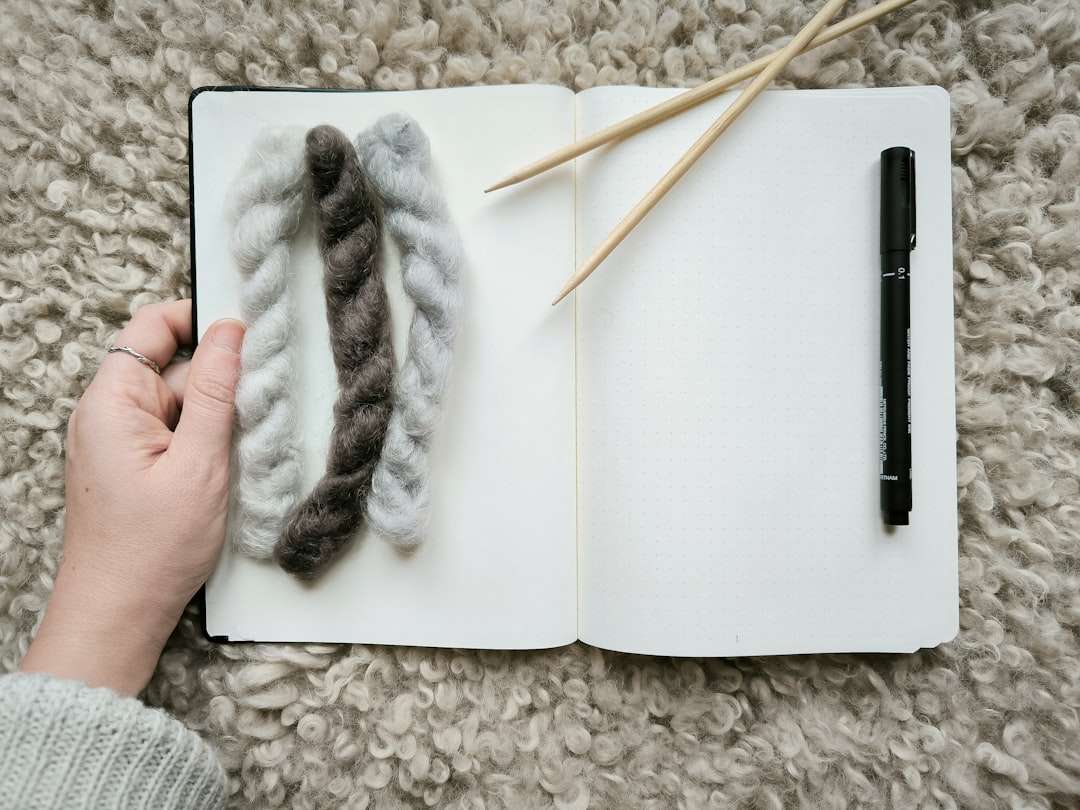
- Keep a creative journal. Capturing ideas regularly builds creative momentum.
- Try hands-on crafts. Activities like drawing, knitting, or music engage creative problem-solving directly.
- Remove friction from your tools. Comfortable, well-fitted equipment frees your mind to focus on ideas.
That last point matters more than people expect. Fighting smudgy ink or awkward tools drains the mental energy you’d rather spend creating. A smooth left-handed pen keeps journaling and sketching frustration-free, while a comfortable left-handed desk setup supports long creative sessions. Crafters can keep ideas flowing with a well-designed left-handed crochet hook rather than wrestling an ill-fitting tool.
Creativity Is a Skill, Not Just a Trait
Perhaps the most important takeaway from all the research is that creativity is largely a skill you can develop, not a fixed gift you either have or lack. This reframes the entire handedness debate. Even if left-handers held a slight natural edge in divergent thinking, that edge would be dwarfed by the difference deliberate practice makes over time.
Studies on creativity consistently show that habits matter enormously: exposing yourself to diverse experiences, asking open-ended questions, tolerating ambiguity, and pushing past your first idea to find better ones. These are learnable behaviors available to anyone, regardless of which hand they write with. A right-hander who practices creative thinking will outperform a left-hander who relies on supposed natural talent every time.
Practical Creativity Boosters for Everyone
- Generate before you judge. List many ideas first, then evaluate them, rather than filtering as you go.
- Seek variety. New experiences and perspectives feed creative connections.
- Embrace constraints. Limits often spark inventive solutions rather than blocking them.
- Make time to play. Unstructured exploration is where many creative breakthroughs begin.
Top-Rated Picks




| Product | Brand | Rating | Reviews | Price |
|---|---|---|---|---|
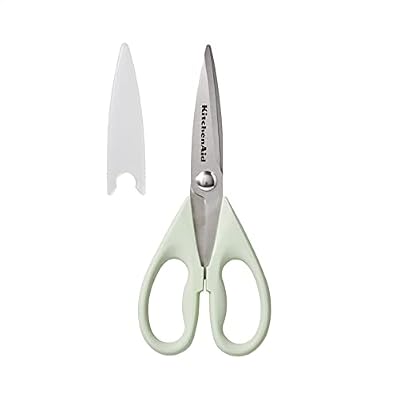
| KitchenAid All Purpose Kitchen Shears with Protective… | — | ★ 4.8 | 70.9k | $7.59 |
| KitchenAid All Purpose Kitchen Shears with Protective… | — | ★ 4.8 | 70.9k | $10.99 |
| KitchenAid All Purpose Kitchen Shears with Protective… | — | ★ 4.8 | 70.9k | $13.99 |
| Bostitch Office Premium 3 Hole Punch, 12 Sheet Capaci… | BostitchOfficeProducts | ★ 4.7 | 64.4k | $12.99 |
| 3M Littmann Classic III Monitoring Stethoscope, 5910C… | Littmann®Stethoscopes | ★ 4.8 | 50k | $112.16 |
Frequently Asked Questions
Are left-handers actually more creative?
The evidence is mixed. Lefties are not dramatically more creative overall, but there is moderate support for an advantage in divergent thinking, the ability to generate many ideas to an open-ended problem.
Why do people think left-handers are more creative?
The belief stems from associating the right brain hemisphere with creativity, since it controls the left hand. However, the strict left-brain, right-brain split is an oversimplification, as creativity uses both hemispheres in everyone.
Does adapting to a right-handed world boost creativity?
Possibly. Constantly finding workarounds for right-handed tools may cultivate flexible, inventive thinking. In this view, any creative edge is earned through lifelong adaptation rather than inherited.
What is divergent thinking?
It’s the ability to generate many different ideas or solutions to an open-ended problem, a key component of creativity where some studies suggest left-handers and mixed-handers may have a modest advantage.
How can left-handers nurture creativity?
Practice generating multiple solutions, keep a creative journal, engage in hands-on crafts, and use comfortable tools so frustration doesn’t drain the mental energy you’d rather spend creating.
Conclusion
So, are left-handers more creative? The honest answer is nuanced. There’s no strong proof that southpaws are sweepingly more creative, but there’s reasonable support for an edge in divergent thinking, possibly sharpened by a lifetime of adapting to a right-handed world. Rather than relying on handedness, cultivate your creativity deliberately, and remove the everyday friction that holds you back. Your most creative work comes from practice and curiosity, with your natural adaptability as a welcome bonus.
Related Reviews & Guides

Common Struggles of Being Left-Handed (and Fixes)

Best Floor Lamps for Living Room: Bright Ideas