Last Updated: September 12, 2026
- Why Left-Handers Have a Competitive Edge
- Combat and Racket Sports: The Lefty Stronghold
- Team Sports Where Lefties Are Prized
- Sports Where Left-Handers Face Hurdles
- How to Maximize Your Left-Handed Edge
- The Science Behind the Surprise Advantage
- Developing Young Left-Handed Athletes
- Beyond the Field: Everyday Left-Handed Living
- Choosing the Right Sport for You
- Top-Rated Picks
- Frequently Asked Questions
- Conclusion
- Related Articles
⚡ Key Takeaways
- The core advantage comes down to rarity and unfamiliarity.
- Interactive, opponent-facing sports are where left-handers dominate the statistics.
- Even in team settings, certain positions are tailor-made for left-handers, and coaches actively seek them out.
- Honesty matters: a few sports are genuinely harder for lefties, usually because of standardized equipment or rules.
Left-handers have long been overrepresented at the highest levels of many competitive sports, and that’s no accident. When you understand which activities reward a left-dominant body, choosing the best sports for left-handers becomes a genuine strategic advantage rather than a quirky footnote. From the surprise angle of a southpaw boxer to the wrong-footing serve of a left-handed tennis player, this guide explores where lefties shine, why they have the edge, and how to lean into your natural strengths.
As an Amazon Associate we earn from qualifying purchases at no extra cost to you.


🛒 Best Price Today on Amazon
Prime members get fast, free shipping on everything above, plus member-only deals. New members get a 30-day free trial — cancel anytime.
Why Left-Handers Have a Competitive Edge
The core advantage comes down to rarity and unfamiliarity. Roughly one in ten people is left-handed, so right-handed athletes spend the vast majority of their training and matches facing other right-handers. When they suddenly meet a lefty, the angles, spin, and footwork all feel reversed and unpredictable.
This is sometimes called the “fighting hypothesis,” the idea that left-handedness persists in the population partly because it offers an edge in physical, one-on-one combat and competition. In any sport where you directly oppose an individual opponent, being the unusual one pays off.
The Two Kinds of Advantage
- Strategic surprise: Opponents rarely practice against lefties, so your shots and movements catch them off guard.
- Positional geometry: In some sports the layout of the field, court, or ring simply favors a left-dominant player.
Combat and Racket Sports: The Lefty Stronghold
Interactive, opponent-facing sports are where left-handers dominate the statistics. In these arenas, your unfamiliar angle is a weapon every single point or round.
| Sport | Left-Handed Advantage |
|---|---|
| Boxing | Southpaw stance confuses orthodox fighters; jabs and crosses arrive from unexpected angles |
| Fencing | Lefties are heavily overrepresented at elite level; opponents rarely train against them |
| Tennis | Serve spin curves the opposite way; advantage on key deuce-court points |
| Table tennis | Reversed spin and placement disrupt rhythm at high speed |
| Badminton | Unusual shot trajectories and net angles |
If you’re left-handed and choosing a sport to pursue seriously, these disciplines offer the steepest built-in advantage. The catch is that you’ll need coaches and sparring partners who understand how to develop a lefty rather than forcing you into right-handed templates.
Team Sports Where Lefties Are Prized
Even in team settings, certain positions are tailor-made for left-handers, and coaches actively seek them out.
- Baseball and softball: Left-handed pitchers are coveted, and left-handed batters stand a step closer to first base. First base itself is a natural lefty position.
- Cricket: Left-arm bowlers create awkward angles, and left-handed batsmen force constant field rearrangement.
- Soccer: A naturally left-footed player is invaluable on the left wing and for set pieces, since right-footers struggle to deliver the same balls.
- Field hockey: Interestingly, this sport is an exception, as sticks are made for right-handed use only, which we’ll address below.
Sports Where Left-Handers Face Hurdles
Honesty matters: a few sports are genuinely harder for lefties, usually because of standardized equipment or rules.
Field hockey is the classic example. Regulation sticks are manufactured only for right-handed play, so left-handers must adapt rather than play to their dominant side. Polo similarly requires right-handed mallet use for safety reasons. And in golf, while left-handed clubs exist, the selection is narrower and rental sets at courses are almost always right-handed. None of these are impossible, but they require extra adaptation and sometimes extra spending.
How to Maximize Your Left-Handed Edge
Having the natural advantage isn’t enough; you have to develop it deliberately.
- Find a coach who embraces lefties. Avoid anyone who tries to convert you. Your dominant side is your asset.
- Study right-handed opponents. Since most rivals are right-handed, learn their tendencies and exploit the angles they’re not used to defending.
- Train both sides where useful. In team sports, ambidextrous skill makes you even harder to predict.
- Use proper equipment. A southpaw boxing setup or correctly strung left-handed racket lets your natural mechanics flow.
The Science Behind the Surprise Advantage
Why exactly does facing a left-hander feel so disorienting to right-handed opponents? It comes down to practice exposure and perceptual learning. Athletes train their reactions through thousands of repetitions, and those reactions are tuned to the most common stimulus, which is a right-handed opponent. When a lefty appears, the mirror-image angles, spins, and footwork don’t match the patterns the brain has rehearsed, so reaction times lag and errors creep in.
This effect is strongest in fast, reactive sports where there’s little time to consciously adjust. A tennis serve arrives in a fraction of a second, and a boxing jab even faster. The defender relies on automatic, trained responses, and those responses are calibrated for the majority. Lefties exploit that calibration gap on every exchange.
Why the Edge Fades in Some Settings
Interestingly, the advantage shrinks at the very highest levels of certain sports, where elite opponents have faced enough left-handers to adapt. It also matters less in sports without a direct opponent, like running, swimming, or gymnastics, where you compete against the clock or a scorecard rather than reacting to another person. The lefty edge lives specifically in interactive, opponent-facing competition.
Developing Young Left-Handed Athletes
Parents and coaches of left-handed children play a crucial role. The single biggest mistake is trying to convert a young lefty to play right-handed for convenience. This squanders their natural advantage and can hamper development. Instead, embrace the dominant side from the start.
- Seek lefty-aware coaching. Good coaches develop a southpaw’s strengths rather than forcing standard templates.
- Invest in proper equipment early. Left-handed gloves, rackets, and stances let mechanics develop correctly.
- Encourage exposure to many sports. Let children discover where their natural orientation feels most rewarding.
- Build confidence. Frame their handedness as an asset, never a problem to overcome.
Beyond the Field: Everyday Left-Handed Living
Athletic advantage is just one slice of life as a lefty. The same awareness that helps you pick winning sports also helps off the field, whether you’re equipping a kitchen with a comfortable left-handed can opener or setting up a study area with the right tools. Many athletes keep a journal of training notes, and a smooth-writing left-handed pen prevents the smudging that plagues southpaws. Even meal prep for training runs smoother with a properly oriented left-handed measuring cup for portioning ingredients. Small adjustments across daily life add up to less friction and more focus on performance.
Choosing the Right Sport for You
While statistics point to where lefties have the biggest edge, the best sport is ultimately the one you love and will stick with. Natural advantage means little without enjoyment and consistent practice. Use the lefty edge as a tiebreaker, not the sole deciding factor. If two sports appeal equally, lean toward the one that rewards your handedness. If a sport you adore happens to be harder for lefties, pursue it anyway with the right adaptations and equipment.
Consider your personality too. Combat and racket sports demand a comfort with direct confrontation and split-second reactions. Team sports reward collaboration and positional awareness. Match the sport to who you are, then layer your left-handed advantage on top for a genuine competitive boost.
Top-Rated Picks




| Product | Brand | Rating | Reviews | Price |
|---|---|---|---|---|
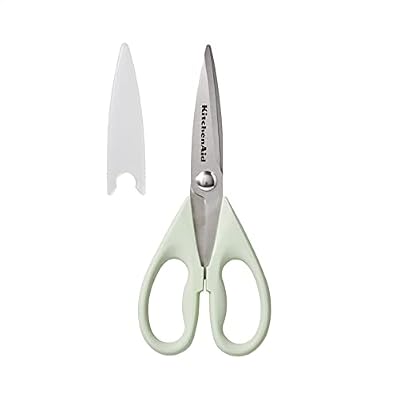
| KitchenAid All Purpose Kitchen Shears with Protective… | — | ★ 4.8 | 70.9k | $7.59 |
| KitchenAid All Purpose Kitchen Shears with Protective… | — | ★ 4.8 | 70.9k | $10.99 |
| KitchenAid All Purpose Kitchen Shears with Protective… | — | ★ 4.8 | 70.9k | $13.99 |
| Bostitch Office Premium 3 Hole Punch, 12 Sheet Capaci… | BostitchOfficeProducts | ★ 4.7 | 64.4k | $12.99 |
| 3M Littmann Classic III Monitoring Stethoscope, 5910C… | Littmann®Stethoscopes | ★ 4.8 | 50k | $112.16 |
Frequently Asked Questions
Are left-handers really better at sports?
Not at every sport, but in one-on-one and racket sports they are statistically overrepresented at elite levels because opponents rarely train against them, creating a real surprise advantage.
What sport gives left-handers the biggest advantage?
Fencing and boxing show some of the strongest lefty overrepresentation, followed closely by tennis and table tennis, where reversed spin and angles disrupt right-handed opponents.
Which sports are hardest for left-handers?
Field hockey and polo are the toughest because regulation equipment is right-handed only. Golf is manageable but offers fewer left-handed club options and rental sets.
Should a left-handed child be encouraged toward certain sports?
Encourage whatever they enjoy, but know that combat and racket sports reward their natural orientation. The most important factor is a coach who develops rather than corrects their handedness.
Why are left-handed pitchers and batters so valued in baseball?
Left-handed pitchers are rarer, so batters face them less and struggle to adjust. Left-handed batters also start a step closer to first base, shaving valuable time on close plays.
Conclusion
The best sports for left-handers are those where your minority status becomes a tactical weapon, especially combat and racket disciplines. Lean into your dominant side, find supportive coaching, and use proper equipment, and your left-handedness transforms from a quirk into a genuine edge. Whether you’re aiming for the podium or just playing for fun, knowing where lefties thrive helps you choose smart and play to win.
Related Reviews & Guides




Best Home Theater Seating for Comfort and Space

Best Power Recliners for Comfort and Support