Last Updated: September 12, 2026
- How Handedness Affects Music
- The Three Categories of Instruments
- Instruments That Suit Left-Handers Naturally
- Instruments With Dedicated Left-Handed Versions
- Instruments That Are Fixed by Tradition
- The Truth About Restringing a Guitar
- How Left-Handers Can Excel on Any Instrument
- Setting Up a Comfortable Practice Space
- Choosing Your Instrument: A Quick Decision Guide
- Budgeting for a Left-Handed Musical Journey
- Top-Rated Picks
- Frequently Asked Questions
- Conclusion
- Related Articles
⚡ Key Takeaways
- Not all instruments are handed in the same way.
- Some instruments are wonderfully welcoming to southpaws because they don't favor either hand.
- Stringed instruments in the guitar family are the classic case where lefties have a real choice.
- Some instruments are almost always played in a single configuration, mainly so players fit into ensembles.
Playing a musical instrument is one of life’s great joys, but for southpaws the question of which instrument to choose, and how to play it, comes with extra considerations. Some instruments adapt easily to a left-dominant player, while others are fixed in a right-handed design. Understanding the best musical instruments for left-handers helps you pick something you can genuinely enjoy rather than fight against. This guide breaks down your options, from naturally lefty-friendly choices to instruments that require adaptation.
🛒 Best Price Today on Amazon
Prime members get fast, free shipping on everything above, plus member-only deals. New members get a 30-day free trial — cancel anytime.
How Handedness Affects Music
Not all instruments are handed in the same way. Some, like the piano, require both hands to do equally demanding work, so handedness barely matters. Others, like the guitar, are strongly oriented and offer dedicated left-handed versions. A third group, including many orchestral instruments, is effectively fixed in one configuration for practical or ensemble reasons.
Knowing which category an instrument falls into helps you set realistic expectations and choose wisely from the start.
The Three Categories of Instruments
| Category | Examples | What It Means for Lefties |
|---|---|---|
| Two-handed equal | Piano, percussion, accordion | Handedness barely matters; both hands work hard |
| Adaptable / lefty versions | Guitar, bass, ukulele | Choose left-handed instruments or restring |
| Fixed configuration | Violin, flute, most orchestral | Usually played the standard way for ensemble fit |
Instruments That Suit Left-Handers Naturally
Some instruments are wonderfully welcoming to southpaws because they don’t favor either hand.
- Piano and keyboard: Both hands play melody and harmony, and the left hand often handles important bass lines. Many lefties find their dominant hand gives them an edge in expressive left-hand passages.
- Drums and percussion: Kits can be arranged in a left-handed layout, with the dominant hand leading. Percussion rewards coordination over fixed orientation.
- Accordion: The two hands perform distinct roles, and the left hand operates the bass buttons, suiting left-dominant players well.
Instruments With Dedicated Left-Handed Versions
Stringed instruments in the guitar family are the classic case where lefties have a real choice. You can buy a true left-handed guitar, bass, or ukulele, with the body and bracing built in mirror image. Alternatively, some players restring a right-handed instrument as a budget workaround, though the controls and shape remain reversed.
Many famous left-handed musicians played dedicated lefty instruments, proving the path is well-trodden. The main considerations are cost and availability, since left-handed models are made in smaller numbers. The reward is an instrument that fits your natural mechanics, with your dominant hand handling the expressive strumming or plucking.
Reading Music and Chord Charts
One challenge for left-handed string players is that chord diagrams are drawn for right-handed fretboards. You’ll either mentally mirror them or use left-handed chord charts and apps that flip diagrams automatically. It takes practice but quickly becomes second nature.
Instruments That Are Fixed by Tradition
Some instruments are almost always played in a single configuration, mainly so players fit into ensembles. Violins, violas, cellos, and most wind and brass instruments fall here. In an orchestra, a left-handed violinist bowing the opposite way would clash bows with neighbors, so the standard setup is nearly universal.
The encouraging news is that these instruments distribute work between the hands in ways that aren’t strictly right-favoring. On the violin, the left hand does the intricate fingering while the right bows, which many left-handers actually find suits them. So “fixed” doesn’t mean “disadvantaged.”
The Truth About Restringing a Guitar
Many beginning left-handed string players wonder if they can simply flip a right-handed guitar and restring it rather than buying a dedicated lefty model. The answer is yes, with caveats. Restringing reverses the string order so the thick strings sit where a left-hander expects them, and many players start this way to save money.
However, the instrument’s body shape, the cutaway that gives access to high frets, the position of the controls, and even the internal bracing remain designed for right-handed use. The nut, which holds the strings at the top of the neck, is also cut for specific string thicknesses and won’t match a reversed setup without modification. Restringing is a reasonable budget bridge, but a true left-handed instrument will always feel and sound more correct.
When to Upgrade to a True Lefty Instrument
If you find yourself committed to the guitar or bass and practicing regularly, investing in a purpose-built left-handed instrument pays off. You’ll get proper ergonomics, easier access to controls, and a setup that supports good technique. Treat a restrung instrument as a starting point, not a permanent home.
How Left-Handers Can Excel on Any Instrument
Regardless of which instrument you choose, a few principles help left-handers thrive. First, never let anyone talk you out of your natural orientation on adaptable instruments; your dominant hand is an asset. Second, embrace the mirror trick for learning, propping a mirror beside right-handed tutorials so the reflection shows your exact movements. Third, be patient with chord charts and notation that assume right-handed players, using flipped resources where they exist.
- Practice consistently in short daily sessions rather than rare long ones.
- Record yourself to track progress that’s hard to feel day to day.
- Connect with other lefty musicians who can share gear tips and encouragement.
- Focus on music you love to stay motivated through the early challenges.
Setting Up a Comfortable Practice Space
Whatever you choose, practice comfort makes a huge difference to progress. Arrange your music stand, instrument, and seating so your dominant hand falls naturally on what it needs. The same comfort logic behind a well-organized left-handed desk applies to a music corner. When you jot down practice notes or annotate sheet music, a smudge-free left-handed pen keeps your scores clean and your left hand relaxed. If music is one of several crafts you enjoy, you’ll recognize the same comfort-first logic behind tools like a well-shaped left-handed crochet hook.
Choosing Your Instrument: A Quick Decision Guide
- Want the least handedness friction? Choose piano or percussion, where both hands are equals.
- Love guitar or bass? Invest in a true left-handed model and learn flipped chord charts.
- Drawn to the orchestra? Embrace the standard setup, which often suits lefties more than expected.
- Trying something casual? A left-handed ukulele is affordable, friendly, and quick to learn.
Budgeting for a Left-Handed Musical Journey
Cost is a real consideration for left-handed musicians, since dedicated lefty instruments and gear sometimes carry a small premium and offer fewer options. Planning your spending helps you start strong without overextending. For naturally two-handed instruments like piano and percussion, you face no extra cost at all, which makes them appealing entry points.
For string instruments, weigh a true left-handed model against a restrung right-handed one based on your commitment and budget. Beginners testing the waters might start affordably, while dedicated players benefit from investing in proper lefty instruments sooner. Remember that the most expensive instrument isn’t necessarily the best for learning; a comfortable, well-set-up instrument you enjoy playing beats a costly one that gathers dust.
| Instrument Type | Extra Lefty Cost | Beginner Friendliness |
|---|---|---|
| Piano / keyboard | None | Very high |
| Percussion | None (rearrange kit) | High |
| Ukulele | Small | Very high |
| Guitar / bass | Small to moderate | Moderate |
| Orchestral strings / winds | None (standard setup) | Moderate |
Top-Rated Picks




| Product | Brand | Rating | Reviews | Price |
|---|---|---|---|---|
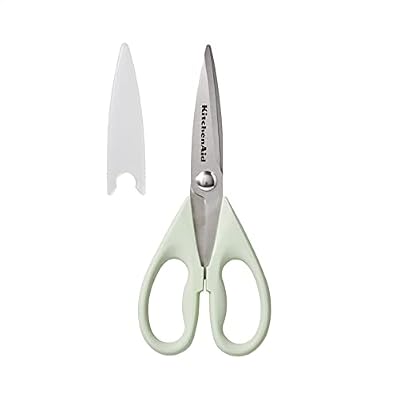
| KitchenAid All Purpose Kitchen Shears with Protective… | — | ★ 4.8 | 70.9k | $7.59 |
| KitchenAid All Purpose Kitchen Shears with Protective… | — | ★ 4.8 | 70.9k | $10.99 |
| KitchenAid All Purpose Kitchen Shears with Protective… | — | ★ 4.8 | 70.9k | $13.99 |
| Bostitch Office Premium 3 Hole Punch, 12 Sheet Capaci… | BostitchOfficeProducts | ★ 4.7 | 64.4k | $12.99 |
| 3M Littmann Classic III Monitoring Stethoscope, 5910C… | Littmann®Stethoscopes | ★ 4.8 | 50k | $112.16 |
Frequently Asked Questions
What instrument is easiest for a left-hander to learn?
Piano and percussion are the easiest because both hands share the workload equally, so handedness barely matters. Many lefties even enjoy an edge in expressive left-hand passages on piano.
Can left-handers play the guitar?
Absolutely. You can buy a true left-handed guitar or restring a right-handed one. The main extra step is learning to read chord diagrams mirrored, which apps and left-handed charts make easy.
Why are violins always played the same way?
Mainly for ensemble fit. A reversed violinist would clash bows with neighbors in an orchestra. Helpfully, the standard setup has the left hand do the intricate fingering, which suits many lefties.
Are left-handed instruments more expensive?
Often slightly, because they’re made in smaller quantities with fewer models available. The price gap on guitars and ukuleles has narrowed as more brands offer dedicated left-handed versions.
Do drummers need a left-handed kit?
Not a special kit, but the components can be rearranged into a left-handed layout so your dominant hand leads. Percussion rewards coordination, making it very welcoming to southpaws.
Conclusion
The best musical instruments for left-handers fall into three groups: equal two-handed instruments like piano, adaptable ones like guitar with dedicated lefty versions, and fixed orchestral instruments that often suit lefties anyway. Choose based on how much handedness friction you want and what music excites you. With the right instrument and a comfortable practice space, your left hand becomes an asset, and the music flows.
Related guide: See our Best Label Makers in 2026 for the top picks and buying advice.
Related Reviews & Guides



The Best Way to Use a Computer Mouse Left-Handed

5 Best Sports for Left-Handers and Why They Win