Last Updated: September 12, 2026
- The Athletic Advantage
- Faster at Some Kinds of Thinking
- A Summary of Potential Benefits
- The Underrated Superpower: Adaptability
- Potential Advantages in Specific Careers
- Health and Longevity: Setting the Record Straight
- Famous Left-Handers and What They Show Us
- Cognitive Flexibility and Multitasking
- Keeping Perspective on the Claims
- Top-Rated Picks
- Frequently Asked Questions
- Conclusion
- Related Articles
⚡ Key Takeaways
As an Amazon Associate we earn from qualifying purchases at no extra cost to you.




- The most thoroughly documented benefit of left-handedness shows up in competitive sport.
- Research into brain organization suggests that left-handers may process certain tasks differently.
- Perhaps the most underrated left-handed advantage isn't measured in labs at all.
- Beyond sports and creativity, some occupations may suit left-handers particularly well thanks to their spatial skills and adaptability.
For generations, being left-handed was treated as something to fix. Today we know better, and a growing body of evidence suggests southpaws may enjoy real perks. If you’ve ever wondered about the genuine left-handed advantages that come with your minority status, this guide separates the well-supported benefits from the myths. From sports and creativity to problem-solving and adaptability, lefties have plenty to celebrate.
🛒 Best Price Today on Amazon
Prime members get fast, free shipping on everything above, plus member-only deals. New members get a 30-day free trial — cancel anytime.
The Athletic Advantage
The most thoroughly documented benefit of left-handedness shows up in competitive sport. Because only about ten percent of people are left-handed, right-handed athletes spend almost all their training facing other right-handers. When they meet a lefty, the angles and timing feel unfamiliar.
This gives left-handers an outsized presence at the elite level in one-on-one and racket sports. Boxing, fencing, tennis, table tennis, and baseball all feature far more lefties at the top than their share of the population would predict. The surprise factor is a genuine, measurable edge.
Faster at Some Kinds of Thinking
Research into brain organization suggests that left-handers may process certain tasks differently. Because handedness relates to how the brain’s hemispheres divide labor, some studies indicate lefties can be quicker at tasks requiring the two hemispheres to communicate.
This may translate into advantages in fast-paced, multi-element activities, such as video gaming, certain sports, and tasks that involve juggling several streams of information at once. The picture is nuanced and individual, but the underlying neurology is real and fascinating.
Divergent Thinking and Creativity
Left-handers are often associated with creativity, and while the science is mixed, there’s reasonable support for advantages in divergent thinking, the ability to generate many possible solutions to an open-ended problem. Living in a right-handed world may also train lefties to be flexible and inventive out of sheer necessity.
A Summary of Potential Benefits
| Advantage | Strength of Evidence |
|---|---|
| Edge in one-on-one sports | Strong and well documented |
| Faster inter-hemispheric processing | Moderate, promising research |
| Divergent thinking and creativity | Mixed but plausible |
| Everyday adaptability | Strong by lived experience |
| Better recovery from certain strokes | Emerging clinical interest |
The Underrated Superpower: Adaptability
Perhaps the most underrated left-handed advantage isn’t measured in labs at all. Living in a world designed for right-handers forces lefties to adapt constantly, from scissors and can openers to spiral notebooks and ladles. This daily problem-solving builds a quiet resilience and flexibility that serves southpaws well throughout life.
Many left-handers become functionally ambidextrous for certain tasks simply because they had no choice. That cross-handed competence is a practical superpower that pure right-handers rarely develop.
Turning Adaptability Into Comfort
That said, you don’t have to suffer through awkward tools forever. Choosing equipment designed for your hand removes needless friction. Swapping in a properly oriented left-handed can opener or a smooth left-handed pen lets you keep your hard-won adaptability while reclaiming everyday ease. A clearly readable left-handed measuring cup is another small upgrade that removes daily friction in the kitchen.
Potential Advantages in Specific Careers
Beyond sports and creativity, some occupations may suit left-handers particularly well thanks to their spatial skills and adaptability. Certain visual and spatial tasks, architecture, design, and some areas of surgery among them, draw on the kind of three-dimensional thinking where lefties sometimes report comfort. The evidence here is more anecdotal than conclusive, but the pattern is intriguing.
What’s clearer is that left-handers, having adapted to right-handed tools their whole lives, often bring a fresh perspective to problems. They’re used to questioning the default way of doing things because the default rarely fits them perfectly. That habit of mind, looking for a better approach rather than accepting the obvious one, is valuable in nearly any field.
The Confidence Factor
There’s also a psychological dimension worth noting. Left-handers who embrace their handedness tend to develop quiet self-assurance from succeeding in a world not built for them. Overcoming small daily obstacles builds resilience, and resilience underpins achievement everywhere. The benefit isn’t magic, it’s the earned confidence of someone who has learned to thrive despite friction.
Health and Longevity: Setting the Record Straight
You may have heard alarming claims that left-handers live shorter lives or face more health risks. These claims stem from flawed older studies that didn’t account for the historical practice of forcing lefties to switch hands, which skewed the data. Modern research has largely debunked the idea that left-handedness shortens lifespan. Some studies even suggest lefties may recover better from certain types of stroke, possibly because of their more flexible brain organization. The takeaway is reassuring: being left-handed carries no meaningful health penalty.
Famous Left-Handers and What They Show Us
The list of accomplished lefties spans every field: visionary artists, brilliant scientists, world leaders, and dominant athletes. While being left-handed didn’t single-handedly make any of them great, their prominence reminds us that left-handedness is no obstacle to extraordinary achievement.
- Arts: Many celebrated painters and musicians were left-dominant.
- Science: Several groundbreaking thinkers favored their left hand.
- Leadership: A striking number of national leaders have been lefties.
- Sport: Champions across boxing, tennis, and cricket prove the athletic edge.
Cognitive Flexibility and Multitasking
Another area where left-handers may have a subtle edge is cognitive flexibility, the ability to switch between tasks or modes of thinking. Because handedness relates to how the brain’s hemispheres share work, some left-handers and mixed-handers show patterns of brain communication that could support nimble mental switching. This may help in situations that demand juggling several streams of information at once, from fast-paced sports to certain creative and strategic tasks.
As with the other benefits, the effect is modest and varies between individuals. Not every lefty will be a multitasking marvel. But the underlying neurology is genuine, and combined with a lifetime of adapting to a right-handed world, it adds up to a brain that’s often comfortable handling the unexpected and finding alternate routes to a solution.
Turning Potential Into Practice
The key with all these advantages is that potential isn’t the same as performance. A natural edge in divergent thinking or flexibility only pays off if you exercise it. Challenge yourself with open-ended problems, try new approaches, and lean into the adaptability your handedness has given you. The benefits compound when you actively use them rather than treating them as fixed traits.
Keeping Perspective on the Claims
It’s worth staying grounded. Some popular claims about left-handers, like dramatically higher intelligence or guaranteed artistic genius, overstate what the evidence supports. Handedness is one small thread in the rich tapestry of who you are. The athletic advantage is solid; the cognitive and creative perks are intriguing but variable from person to person.
The healthiest mindset is to appreciate the genuine benefits without leaning on left-handedness as an identity crutch. You’re capable, adaptable, and equipped with a few natural quirks that can work in your favor.
Top-Rated Picks




| Product | Brand | Rating | Reviews | Price |
|---|---|---|---|---|
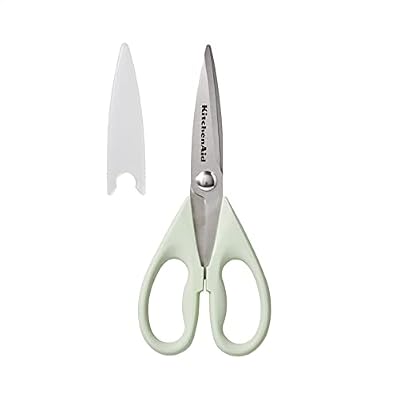
| KitchenAid All Purpose Kitchen Shears with Protective… | — | ★ 4.8 | 70.9k | $7.59 |
| KitchenAid All Purpose Kitchen Shears with Protective… | — | ★ 4.8 | 70.9k | $10.99 |
| KitchenAid All Purpose Kitchen Shears with Protective… | — | ★ 4.8 | 70.9k | $13.99 |
| Bostitch Office Premium 3 Hole Punch, 12 Sheet Capaci… | BostitchOfficeProducts | ★ 4.7 | 64.4k | $12.99 |
| 3M Littmann Classic III Monitoring Stethoscope, 5910C… | Littmann®Stethoscopes | ★ 4.8 | 50k | $112.16 |
Frequently Asked Questions
What is the biggest proven advantage of being left-handed?
The strongest evidence supports an edge in one-on-one and racket sports, where opponents rarely train against lefties, making your angles and timing unfamiliar and hard to counter.
Are left-handed people more creative?
The research is mixed, but there is reasonable support for advantages in divergent thinking. Constant adaptation to a right-handed world may also nurture inventive problem-solving.
Do left-handers think faster?
Some studies suggest quicker communication between the brain’s hemispheres, which may help in fast, multi-element tasks. The effect varies by individual and isn’t a blanket guarantee.
Is it true left-handers are smarter?
There’s no strong evidence that left-handers are generally more intelligent. Claims of dramatically higher IQ overstate the science. Handedness is just one small factor among many.
Does being left-handed help in everyday life?
Yes, in the form of adaptability. Navigating right-handed tools daily builds flexibility and resilience, and many lefties develop useful cross-handed skills they wouldn’t have otherwise.
Conclusion
The real left-handed advantages range from a well-proven athletic edge to intriguing cognitive perks and a genuinely useful streak of adaptability. While some popular claims are exaggerated, southpaws have plenty to feel good about. Embrace the strengths your handedness brings, equip yourself with comfortable tools, and let your natural flexibility be the quiet superpower it truly is.
Related Reviews & Guides




The Best Way to Use a Computer Mouse Left-Handed

How to Play Guitar Left-Handed: A Beginner’s Guide