Last Updated: September 12, 2026
- Why Left-Handers Smudge in the First Place
- Tip 1: Master the Paper Angle
- Tip 2: Keep Your Hand Below the Writing Line
- Tip 3: Choose Quick-Dry Ink
- Tip 4: Adjust Your Grip
- Tip 5: Mind Your Paper and Surface
- Tip 6: Try Left-Handed Specific Tools
- Tip 7: Write at a Comfortable Pace
- Tip 8: Build Better Long-Term Habits
- Tip 9: Adapt When You Cannot Control the Setup
- Putting It All Together
- Top-Rated Picks
- Frequently Asked Questions
- Conclusion
- Related Articles
⚡ Key Takeaways
- A right-hander's hand moves away from the words they have just written, so it never touches wet ink.
- Rotate your paper clockwise so the top-right corner points away from you, roughly 30 to 45 degrees.
- The infamous "hook" grip, where the wrist curls above the line, is a workaround lefties invent to avoid smearing.
- Ink chemistry matters more than almost anything else.
If you are left-handed, you know the feeling: you finish writing a sentence, lift your hand, and discover a gray smear running across the page and along the side of your palm. Smudging is the single most universal complaint among lefties, and it is the reason these left-handed writing tips exist. The good news is that smudge-free writing is entirely achievable once you understand why it happens and adjust a handful of small things, from how you angle your paper to which pen you choose.
As an Amazon Associate we earn from qualifying purchases at no extra cost to you.


Related: best label maker tapes.
This guide collects the most effective, field-tested techniques to help you write cleanly, comfortably, and without the telltale ink stains down the side of your hand.
🛒 Best Price Today on Amazon
Prime members get fast, free shipping on everything above, plus member-only deals. New members get a 30-day free trial — cancel anytime.
Why Left-Handers Smudge in the First Place
The cause is simple physics. English reads and writes left to right. A right-hander’s hand moves away from the words they have just written, so it never touches wet ink. A left-hander’s hand moves directly across what they just wrote, dragging over still-drying ink. Add a flat page and a slow-drying pen, and smudging is almost guaranteed. Every tip below targets one of those three factors: hand position, paper angle, or ink behavior.
Tip 1: Master the Paper Angle
This is the highest-impact change you can make. Rotate your paper clockwise so the top-right corner points away from you, roughly 30 to 45 degrees. This does two things at once: it keeps your hand below the line of writing, and it lets your wrist stay straight instead of curling. Many lefties who adopt the angled page see their smudging drop dramatically within a day.
Tip 2: Keep Your Hand Below the Writing Line
The infamous “hook” grip, where the wrist curls above the line, is a workaround lefties invent to avoid smearing. It works, but it is tiring and can strain the wrist over time. The better solution is to angle the paper (Tip 1) so your hand naturally sits below the words, eliminating the need to hook at all. If you already hook, retraining takes patience but is worth it.
Tip 3: Choose Quick-Dry Ink
Ink chemistry matters more than almost anything else. Standard ballpoint and many gel pens stay wet long enough for your hand to ruin the line. Quick-dry gel inks are formulated to set within a second or two, dramatically reducing smears. Look specifically for pens labeled “quick-dry” or “smudge-free.”
| Pen Type | Drying Speed | Smudge Risk for Lefties |
|---|---|---|
| Standard gel | Slow | High |
| Quick-dry gel | Very fast | Low |
| Ballpoint | Medium | Medium |
| Fountain pen | Slow | Very high |
| Rollerball | Slow to medium | High |
If you want specific recommendations, our comparison of the best left-handed pens ranks options by drying speed and grip comfort.
Tip 4: Adjust Your Grip
Hold your pen slightly higher up the barrel than a right-hander would, around an inch and a half from the tip. This gives you a clearer view of what you are writing and reduces the temptation to curl your hand over the line. A relaxed tripod grip (thumb and index finger pinching, middle finger supporting) keeps your hand loose and reduces fatigue.
Tip 5: Mind Your Paper and Surface
Paper choice has a quiet but real effect. Matte, slightly textured paper absorbs ink faster than glossy or coated stock, so it dries quicker. Avoid very smooth or shiny paper if you are prone to smudging. A slightly inclined writing surface, like a drafting board or a thick book under the top of your page, can also encourage a comfortable wrist angle.
Tip 6: Try Left-Handed Specific Tools
Beyond pens, several products are designed with lefties in mind:
- Left-handed notebooks with the spiral binding on the right or top, so the coils do not dig into your wrist.
- Quick-dry rollerballs engineered specifically for left-handed writers.
- Smudge guards, a fabric sleeve worn over the side of the hand to protect both the page and your skin.
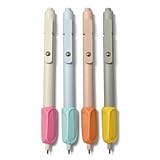
- Pencil grips molded for the left hand to encourage correct finger placement.
Tip 7: Write at a Comfortable Pace
Rushing makes smudging worse because your hand passes over ink that has had no time to set. Slowing down even slightly gives quick-dry inks the moment they need. This is especially useful when filling out forms or signing documents where you cannot control the paper or pen.
Tip 8: Build Better Long-Term Habits
The tips above solve smudging in the moment, but lasting comfort comes from habits that become automatic. If you have spent years writing with a hooked wrist and a flat page, your muscle memory will resist change at first. Give yourself a few weeks of deliberate practice rather than expecting an overnight switch. Keep a small reminder, such as a sticky note on your desk that says “tilt and lower,” until the new position feels natural.
It also helps to be patient with your own handwriting during the transition. When you change your grip or paper angle, your letters may temporarily look worse before they look better. This is completely normal, the same way any motor skill dips slightly while you rewire it. Push through that short rough patch and you will land in a place that is both cleaner and more comfortable than where you started.
Tip 9: Adapt When You Cannot Control the Setup
Real life does not always let you angle your paper or choose your pen. You will sign credit card slips, fill in clipboard forms at the doctor’s office, and write on whiteboards that smear no matter what. For these situations, keep a few fallback tactics ready:
- Carry your own quick-dry pen so you are never stuck with a slow ballpoint chained to a counter.
- Write slightly more slowly to give the ink a moment to set when you cannot tilt the page.
- Rest your hand lightly and lift between words rather than dragging across the line.
- Use a tissue or your sleeve as an improvised barrier under your hand on important documents.
These small adaptations mean that even in a right-handed environment with no control over the tools, you can still keep your writing reasonably clean.
Putting It All Together
The most reliable smudge-free setup combines several of these tips at once: angle the paper clockwise, keep your hand below the line, use a quick-dry gel pen, and write on matte paper at a relaxed pace. Each change helps a little; together they transform the experience. Many lefties describe the first time they write a full page without a single smear as genuinely surprising.
If you are upgrading your whole writing setup, it is worth considering your desk too. A well-arranged left-handed desk puts your supplies on the correct side and gives your arm room to move.
Top-Rated Picks


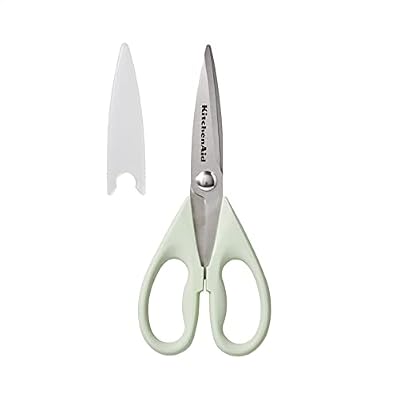


| Product | Brand | Rating | Reviews | Price |
|---|---|---|---|---|
| KitchenAid All Purpose Kitchen Shears with Protective… | — | ★ 4.8 | 70.9k | $7.59 |
| KitchenAid All Purpose Kitchen Shears with Protective… | — | ★ 4.8 | 70.9k | $10.99 |
| KitchenAid All Purpose Kitchen Shears with Protective… | — | ★ 4.8 | 70.9k | $13.99 |
| Bostitch Office Premium 3 Hole Punch, 12 Sheet Capaci… | BostitchOfficeProducts | ★ 4.7 | 64.4k | $12.99 |
| 3M Littmann Classic III Monitoring Stethoscope, 5910C… | Littmann®Stethoscopes | ★ 4.8 | 50k | $112.16 |
Frequently Asked Questions
What is the best pen for left-handers?
A quick-dry gel pen is generally the best choice because the ink sets almost instantly, preventing the smearing that slow-drying pens cause. Comfort grip and consistent ink flow are secondary but helpful features.
How do I stop ink from getting on the side of my hand?
Angle your paper clockwise so your hand stays below the writing line, switch to quick-dry ink, and consider a smudge guard sleeve. These three steps eliminate most hand staining.
Is the hook grip bad for me?
It is not dangerous, but it can cause wrist fatigue over time. The hook is usually a response to a flat page. Tilting the paper removes the need to hook and is a healthier long-term habit.
Why does my writing look messier than right-handers’?
Often it is because you are compensating for smudging with an awkward grip or hand position. Fix the setup with paper angle and quick-dry ink, and your handwriting typically becomes neater on its own.
Do left-handed notebooks really make a difference?
Yes, if spiral binding bothers you. A binding on the right or top keeps the coils away from your writing hand, removing a constant minor annoyance.
Conclusion
Smudge-free writing comes down to a few small but powerful adjustments. Angle your paper clockwise, keep your hand below the line, choose quick-dry ink, and write on matte paper at a comfortable pace. Adopt even two or three of these left-handed writing tips and you will notice cleaner pages, less hand staining, and a far more pleasant writing experience.
Related Reviews & Guides




Best Laptops for Architects: Power and Display
Are You Truly Left-Handed? A Hand Dominance Test