Last Updated: September 12, 2026
- Why Left-Handed Writing Feels Harder
- The Correct Left-Handed Grip
- Position the Paper Correctly
- Beating the Smudge Problem
- Common Left-Handed Writing Problems and Fixes
- Improving Handwriting Legibility
- Helping a Left-Handed Child Build Good Habits
- Set Up a Comfortable Writing Space
- Choosing the Right Paper and Surface
- Practice Makes Comfortable
- Top-Rated Picks
- Frequently Asked Questions
- Conclusion
- Related Articles
⚡ Key Takeaways
- When you write left to right, as English does, a right-handed person pulls the pen away from the words they've already written, keeping their hand clear of wet ink.
- A good grip is relaxed, supportive, and positioned to keep your hand below the writing line.
- Paper placement is the secret weapon of comfortable left-handed writing, and it's the step most people skip.
- Even with great technique, ink choice matters for lefties who drag their hand across fresh writing.
Few everyday frustrations are as relatable to southpaws as fighting with smudged ink, awkward grips, and aching wrists. Learning how to hold a pen left-handed the right way can transform writing from a chore into something smooth and comfortable. The truth is that most of the pain lefties experience comes from copying a right-handed grip that simply doesn’t work for them. This guide walks you through the correct technique, the smudge problem, and the small adjustments that make a big difference.
🛒 Best Price Today on Amazon
Prime members get fast, free shipping on everything above, plus member-only deals. New members get a 30-day free trial — cancel anytime.
Why Left-Handed Writing Feels Harder
When you write left to right, as English does, a right-handed person pulls the pen away from the words they’ve already written, keeping their hand clear of wet ink. A left-handed writer pushes the pen across the page and drags their hand over what they just wrote. This single difference causes the two biggest lefty complaints: smudging and an uncomfortable, contorted hand position.
Understanding this is liberating, because it means the struggles aren’t a personal failing. They’re a predictable result of using a right-handed approach. Fix the technique, and most problems shrink dramatically.
The Correct Left-Handed Grip
A good grip is relaxed, supportive, and positioned to keep your hand below the writing line. Here’s how to build it.
- Hold the pen a little farther from the tip. Grip about two to three centimeters up from the point so you can see what you’re writing.
- Rest the pen on your middle finger and steady it with your thumb and index finger in a relaxed tripod.
- Keep your wrist straight, not hooked. Avoid curling your hand over the top of the line, which causes cramping and smudging.
- Let your hand sit below the line of writing, so it follows along beneath the words rather than dragging across them.
Avoid the Hook
Many left-handers develop a “hook” grip, curling the wrist over the top of the writing so the pen points downward. It’s an instinctive attempt to see the words and pull rather than push, but it strains the wrist and rarely solves smudging. With the right paper angle, you can keep a straight wrist and write comfortably.
Position the Paper Correctly
Paper placement is the secret weapon of comfortable left-handed writing, and it’s the step most people skip.
- Tilt the top of the paper to the right. Angle it clockwise, roughly thirty to forty-five degrees, the mirror image of how a right-hander positions theirs.
- Place the paper to the left of your body’s center. This lets your arm move naturally without crossing over.
- Anchor it with your right hand so it stays put as you write.
This tilt lets your hand stay below the writing line, dramatically reducing smudging and letting you keep a relaxed, straight wrist.
Beating the Smudge Problem
Even with great technique, ink choice matters for lefties who drag their hand across fresh writing. The right tools make smudging a non-issue.
| Writing Tool | Left-Handed Friendliness |
|---|---|
| Quick-drying gel or ballpoint pen | Excellent; ink sets fast before your hand passes over |
| Pencil | Good, though graphite can still smear lightly |
| Standard fountain pen | Often poor; wet ink smears unless designed for lefties |
| Left-handed pen | Excellent; designed for grip comfort and fast-drying flow |
A purpose-built left-handed pen combines a comfortable grip with quick-drying ink, addressing both the smudge and the strain at once. It’s a small upgrade that removes a daily annoyance.
Common Left-Handed Writing Problems and Fixes
Beyond smudging, left-handers face a handful of recurring writing complaints. The good news is that each has a practical solution once you know what’s causing it.
| Problem | Likely Cause | Fix |
|---|---|---|
| Aching hand or wrist | Hooked grip and tense muscles | Tilt paper right, keep wrist straight, relax grip |
| Can’t see what you write | Hand covers the words | Hold pen higher and angle the paper |
| Slanted or backward letters | Pushing rather than pulling the pen | Adjust paper tilt and practice consistent strokes |
| Ink or graphite smears | Hand dragging over fresh writing | Use quick-drying pens and proper paper position |
Notice how many of these trace back to the same two fixes: tilting the paper and keeping a relaxed, straight wrist below the line. Master those, and the majority of left-handed writing complaints simply disappear.
Improving Handwriting Legibility
If your handwriting feels messy, you’re far from alone, and small habits sharpen it quickly. Slow down deliberately when practicing, since speed often comes at the cost of neatness early on. Focus on consistent letter size and even spacing between words. Practicing on lined or grid paper gives your letters a reliable baseline to sit on.
- Warm up with a few loops and lines before writing to loosen your hand.
- Keep letters consistent in height using the lines as a guide.
- Maintain even word spacing for a clean, readable look.
- Write at a comfortable pace, building speed only once neatness is solid.
Helping a Left-Handed Child Build Good Habits
If you’re guiding a young lefty, early habits matter enormously. Encourage a relaxed grip from the start, model the correct paper tilt, and resist any urge to force a right-handed approach. Provide quick-drying pens and a comfortable seat. Patience and positive reinforcement help children develop confident, pain-free handwriting that lasts a lifetime.
Set Up a Comfortable Writing Space
Where you write affects how you write. A supportive chair, good lighting that doesn’t cast your hand’s shadow over the page, and enough elbow room all reduce fatigue. Arranging your workspace for left-handed comfort, the same principles behind a thoughtfully designed left-handed desk, lets you write longer without strain. Keep your pens and paper within easy reach of your dominant hand. If you also enjoy hands-on crafts at the same spot, you’ll find the same comfort logic applies to tools like a well-shaped left-handed crochet hook.
Choosing the Right Paper and Surface
The page itself influences how comfortable left-handed writing feels. Spiral-bound notebooks are a classic lefty headache, since the spiral sits under your writing hand and forces an awkward position. A top-bound notepad, a notebook that lies flat, or simply working from the back of a spiral book toward the front can solve this neatly.
Paper quality matters for smudging too. Smooth, slightly absorbent paper lets quick-drying ink set faster than glossy stock, which keeps wet ink sitting on the surface longer. If you write a lot, experiment with a few paper types to find one that pairs well with your pen and dries quickly under your trailing hand.
Writing Surface and Posture
- Use a flat, stable surface at a comfortable height to keep your wrist relaxed.
- Choose top-bound or loose paper to avoid the spiral-binding obstacle.
- Sit with good posture, feet flat and shoulders relaxed, to reduce strain over long sessions.
- Position your light source so your hand doesn’t cast a shadow over your writing.
Practice Makes Comfortable
Changing a long-held grip or paper position can feel strange at first, even if the new way is genuinely better. Give yourself a couple of weeks of patient practice before judging the results. Start with short writing sessions using the correct grip and paper tilt, and gradually extend them as the new technique becomes automatic. Many left-handers who switch from a hooked grip to a proper relaxed one report that the wrist pain they’d accepted as normal simply fades away. The small effort to retrain pays off in years of comfortable, smudge-free writing.
Top-Rated Picks


| Product | Brand | Rating | Reviews | Price |
|---|---|---|---|---|
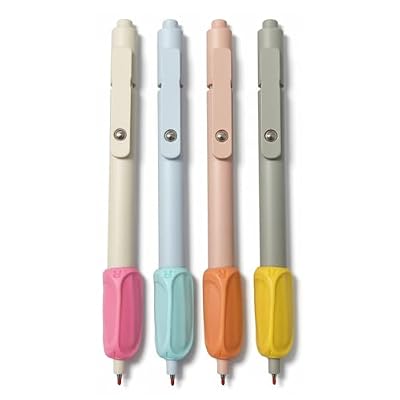
| Eleckey Left Handed Pens, Lefty Quick Drying Gel Pen … | Eleckey | ★ 5.0 | 0 | $9.49 |
| Pentel EnerGel RTX Retractable Liquid Gel Pen, 0.7mm,… | PentelofAmerica | ★ 4.8 | 0 | $5.25 |
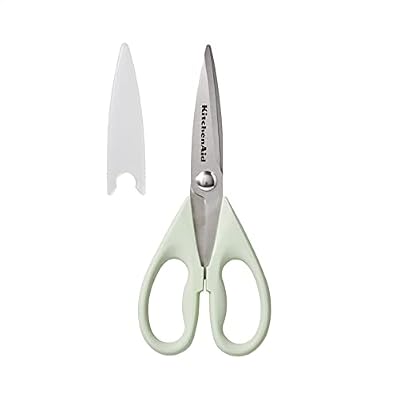
| KitchenAid All Purpose Kitchen Shears with Protective… | — | ★ 4.8 | 70.9k | $7.59 |
| KitchenAid All Purpose Kitchen Shears with Protective… | — | ★ 4.8 | 70.9k | $10.99 |
| KitchenAid All Purpose Kitchen Shears with Protective… | — | ★ 4.8 | 70.9k | $13.99 |
Frequently Asked Questions
How far up should a left-hander hold the pen?
About two to three centimeters from the tip. Holding slightly farther up than the point lets you see what you’re writing and keeps your hand from dragging through fresh ink.
Why do left-handers smudge their writing?
Because writing left to right means pushing the pen and dragging the hand across words just written. Quick-drying pens and tilting the paper to the right both dramatically reduce smudging.
Should left-handers use the hook grip?
No. The hook strains the wrist and rarely fixes smudging. Instead, tilt the paper clockwise and keep your hand below the writing line with a straight, relaxed wrist.
How should a left-hander position the paper?
Tilt the top of the page to the right, roughly thirty to forty-five degrees, and place it slightly left of center. This keeps your hand below the line and your wrist comfortably straight.
What’s the best pen for left-handers?
A quick-drying gel or ballpoint pen, or a dedicated left-handed pen designed for grip comfort and fast-drying ink, which tackles both smudging and hand strain in one tool.
Conclusion
Learning how to hold a pen left-handed comfortably comes down to a relaxed grip held slightly up from the tip, a straight wrist below the writing line, and paper tilted to the right. Add a quick-drying or dedicated left-handed pen, and the smudging that plagues so many southpaws fades away. With these adjustments, writing becomes effortless, and your left hand finally gets to work the way it was meant to.
Related guide: See our Best Label Makers in 2026 for the top picks and buying advice.
Related Reviews & Guides



Left-Handed Knitting for Beginners: Methods and Tips

Left-Handed vs Right-Handed Scissors: The Real Difference