Last Updated: October 8, 2026
- Top Pick: XL CPAP Mask Wipes – Unscented Cleaner Full Face & Nasal Masks – 150 Ct + 6
- Best Value: CPAP Protector Mat & CPAP Hose Holder – Bedside Organizer with Retractable CPAP Hook for CPAP Mask & Tubing, Keeps CPAP Supplies Neat and Tidy, Enhances Sleep Quality (Black)
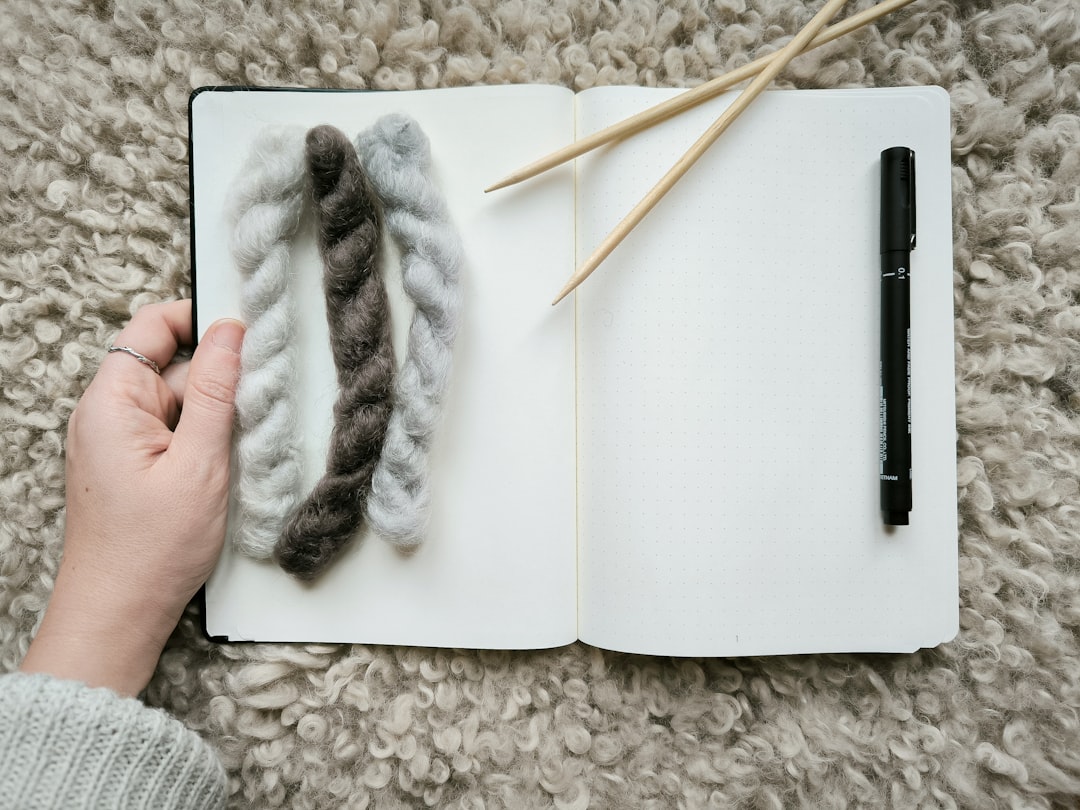
- Premium Choice: CleanSmart CPAP Disinfectant Spray for Face Mask and Hose, 16 oz (2 pack)
The best CPAP machine depends on whether you need fixed pressure, automatic adjustment, or two pressure levels: for most first-time users, a full-size APAP such as the ResMed AirSense 11 offers the best balance of comfort and convenience, while frequent travelers may prefer the ResMed AirMini and users who require bilevel therapy need a prescribed AirCurve- or BiPAP-type device.
As an Amazon Associate we earn from qualifying purchases at no extra cost to you.


Quick picks by sleeping situation
| Situation | Best machine type | Why it fits | Important compromise |
|---|---|---|---|
| New user who wants the easiest starting point | APAP | Automatically adjusts within a prescribed pressure range and usually includes integrated humidification | More moving parts and settings than fixed CPAP |
| Stable pressure needs and lowest complexity | Fixed-pressure CPAP | Consistent therapy, simple operation, and often lower cost | May feel less comfortable if pressure needs vary during sleep |
| Frequent flights or limited bedside space | Travel CPAP | Much smaller and lighter than a home machine | Usually lacks a conventional water chamber and may limit mask choices |
| Needs different inhale and exhale pressures | Bilevel PAP | Provides separate inspiratory and expiratory pressure settings | Requires a specific prescription and costs more |
| Dry mouth, nasal irritation, or bedroom heating | Full-size machine with heated humidification | Adds moisture and can support a more comfortable nasal interface | Needs nightly filling, regular cleaning, and a larger bedside footprint |
Best CPAP machines compared
ResMed AirSense 11: best all-around APAP for home use
The AirSense 11 is an automatic positive airway pressure machine that can also operate in fixed CPAP mode when prescribed. It has a color touchscreen, cellular data connectivity on supported versions, an integrated humidifier, and a heated-tubing option. Its roughly 380 mL water chamber is large enough for a typical night, although actual water use varies with humidity, temperature, mask leaks, and tubing settings.
Its strongest advantage is the complete home setup: standard-size tubing, broad compatibility with masks that use a conventional 22 mm connection, optional heated tubing, and a water-based humidifier. It is a good choice when comfort matters more than minimum size. The main drawbacks are its higher market price, dependence on a nearby power outlet, and the fact that the water chamber and seals are consumable components rather than permanent parts.
ResMed AirMini: best for frequent travel
The AirMini is a compact travel CPAP weighing about 300 grams (10.6 ounces), with dimensions of approximately 13.6 by 8.4 by 5.2 cm. It uses a waterless HumidX cartridge system rather than a conventional heated humidifier, so it is substantially easier to pack than a full-size machine.
Portability comes with restrictions. AirMini requires compatible ResMed masks or approved adapters, and its waterless humidification does not provide the same adjustment range as a full bedside humidifier. It is most attractive for flights, hotel stays, or occasional travel—not necessarily as the best only machine for someone who experiences significant dryness.
ResMed AirCurve 10 or AirCurve 11: best for prescribed bilevel therapy
AirCurve machines are bilevel devices, meaning they can deliver a higher pressure while you inhale and a lower pressure while you exhale. Depending on the model and prescribed mode, they may be used for conditions requiring more specialized pressure support than ordinary CPAP or APAP.
These machines should not be selected simply because bilevel feels more advanced. The pressure support and operating mode need to be prescribed and configured by a qualified clinician. For someone who has difficulty exhaling against a single pressure, or whose treatment plan specifically calls for bilevel therapy, an AirCurve-type device may be more appropriate than changing CPAP settings independently.
Philips DreamStation 2: a compact full-size alternative
The Philips DreamStation 2 Advanced is a home CPAP/APAP platform with an integrated humidifier, color display, and a relatively compact design. It uses a water tank of approximately 325 mL and weighs about 1.04 kg (2.3 pounds), excluding some accessories. It can suit sleepers who want a smaller bedside unit without moving to a dedicated travel machine.
Before buying any Philips device, check the exact model, current safety notices, replacement status, and availability of supplies. Medical-device notices can apply to particular production batches or model families, so the serial number and official manufacturer information matter more than a generic product listing.
CPAP, APAP, and bilevel: the practical difference
- Fixed CPAP: delivers one prescribed pressure throughout the night. It is simple and predictable, but the chosen pressure does not automatically respond to changes in sleeping position, congestion, or alcohol-related variation in breathing.
- APAP: automatically varies pressure within a clinician-prescribed range. It can be useful when pressure needs are not identical across the night, but automatic adjustment is not suitable for every diagnosis or breathing pattern.
- Bilevel PAP: uses separate inhalation and exhalation pressures. It may improve comfort for some people who need higher pressures or specialized support, but it is not a general-purpose upgrade from APAP.
A machine’s mode should follow the prescription, not the other way around. Buying an APAP does not mean you should set a wide pressure range yourself, and a bilevel machine should not be used to experiment with pressure support without clinical direction.
Humidification and mask compatibility
Humidification is one of the biggest differences between a comfortable setup and an abandoned one. Heated humidifiers can reduce the sensation of dry air, while heated tubing helps limit condensation, sometimes called rainout, inside the hose. If water collects in the mask or tubing, lowering humidity slightly, increasing the room temperature, or using heated tubing may help; persistent problems deserve professional advice.
Most home machines use standard tubing and can work with nasal masks, nasal-pillow masks, and full-face masks from multiple manufacturers. The mask must still match the machine’s connector and the user’s prescribed therapy. Travel machines are the exception: the AirMini’s humidification cartridges and mask adapters make compatibility more limited.
Mask choice should follow breathing habits and comfort rather than appearance. Nasal pillows use the least facial material, nasal masks cover the nose, and full-face masks cover the nose and mouth. Mouth breathing, nasal congestion, facial hair, side sleeping, and pressure level can all affect the best option. A mask that is too tight may leak more, not less, because excessive pressure can distort its cushion.
Size, weight, and water capacity at a glance
| Machine | Category | Approximate weight | Water capacity | Best use |
|---|---|---|---|---|
| ResMed AirSense 11 | Home CPAP/APAP | 1.25 kg / 2.75 lb | 380 mL | Primary bedside therapy and comfort-focused setups |
| ResMed AirMini | Travel CPAP/APAP | About 0.30 kg / 0.66 lb | No conventional tank; HumidX cartridge | Flights, hotels, and small luggage |
| Philips DreamStation 2 Advanced | Home CPAP/APAP | About 1.04 kg / 2.3 lb | About 325 mL | Compact home use with integrated humidification |
| ResMed AirCurve 10/11 family | Bilevel PAP | Roughly 1.25–1.4 kg / 2.75–3.1 lb | About 380 mL on humidified configurations | Clinician-prescribed bilevel therapy |
Manufacturer specifications can vary by regional version and whether the water chamber, power supply, or tubing is included. Treat these figures as planning numbers rather than guaranteed packed weights.
Ownership costs and maintenance people often overlook
Compare the total setup, not only the machine. A home system may require a mask, tubing, filters, a heated hose, a battery or power backup for travel, and recurring humidifier chambers or mask cushions. Prices vary substantially by region and insurance arrangement, but a reasonable general pattern is: travel machines usually cost more than basic home CPAP devices, APAP costs more than simple fixed CPAP, and bilevel devices occupy the highest price tier.
For example, if a replacement mask cushion costs $40 and lasts three months, its cushion-only cost is about $0.44 per night: $40 divided by approximately 90 nights. That excludes the mask frame, filters, tubing, and machine. The calculation helps reveal why replacement supplies can matter more than a small difference in the initial machine price.
- Empty and rinse the water chamber daily, then allow it to air-dry.
- Wash the mask cushion and tubing according to the manufacturer’s instructions; avoid harsh cleaners that can damage silicone.
- Replace disposable filters when visibly dirty or at the interval specified for the model.
- Inspect cushions, elbow connectors, tubing, and seals for cracks or stiffness. These parts commonly wear before the motor does.
- Use distilled or manufacturer-approved water where recommended, particularly if local water leaves mineral deposits.
- Do not place the machine below the level of the mattress where spilled water could run toward the device.
Prescription and buying checklist
CPAP, APAP, and bilevel devices are prescription medical equipment in many jurisdictions. A prescription generally addresses the therapy type and pressure settings, but supplier rules and insurance requirements differ. Ask the prescribing professional whether the intended machine supports the exact mode, pressure range, humidification, and data reporting required for your treatment.
Before choosing, confirm five details: whether you sleep mostly at home or travel, whether you need water-based humidification, whether your preferred mask uses standard tubing, how much bedside space is available, and who will help with fitting and follow-up. If you experience persistent air hunger, major leaks, chest discomfort, severe dryness, or difficulty tolerating therapy, contact a qualified sleep clinician rather than changing pressure settings on your own.
Related Reviews & Guides
5 Best Musical Instruments for Left-Handers

Why Are Left-Handed Products Designed Differently?